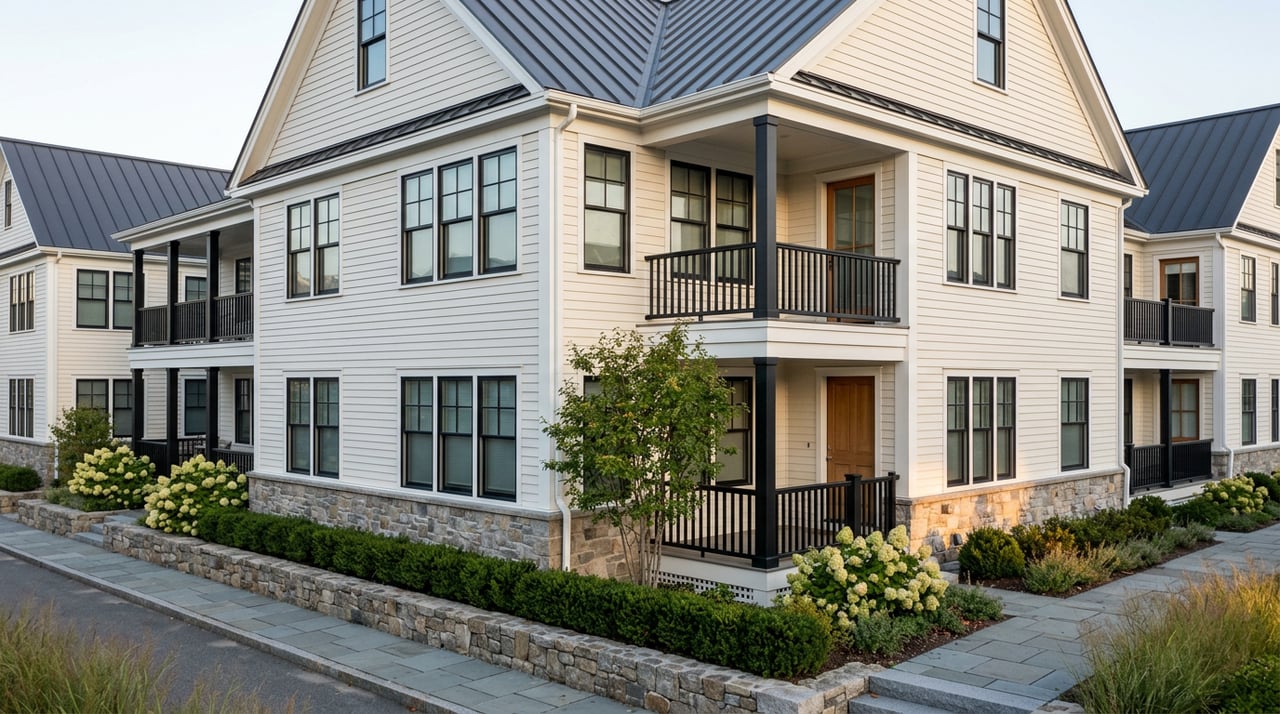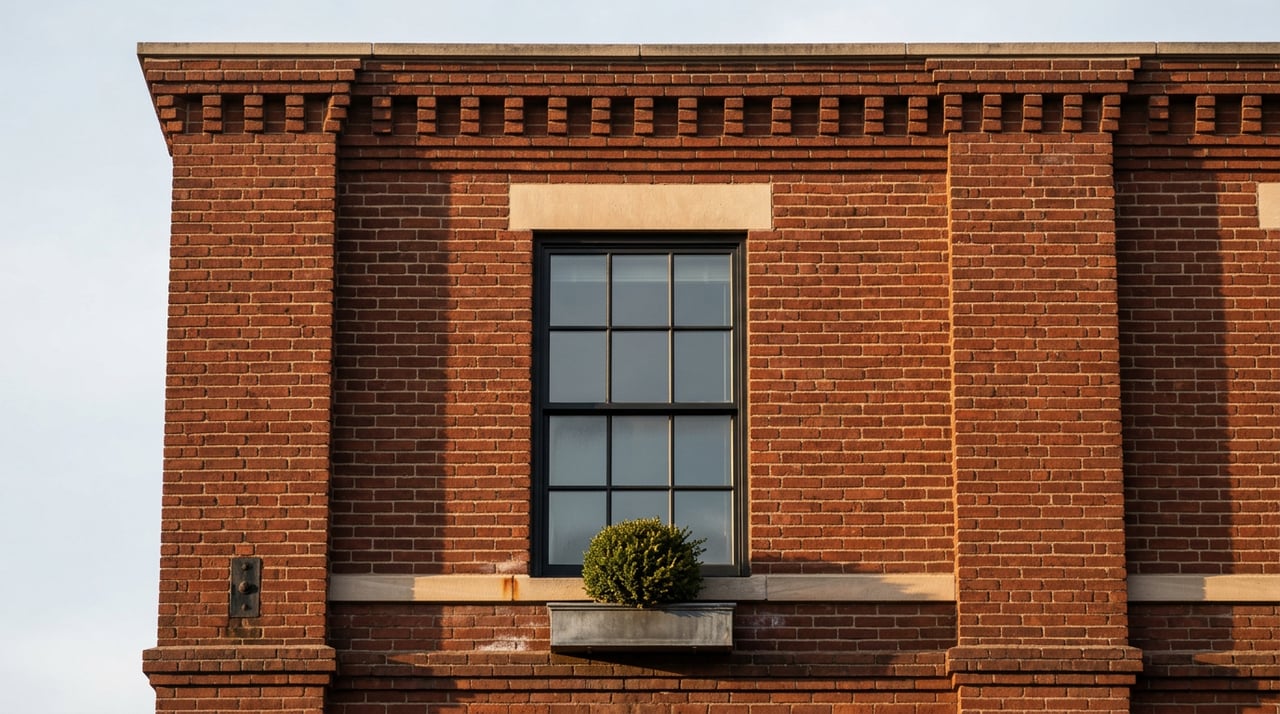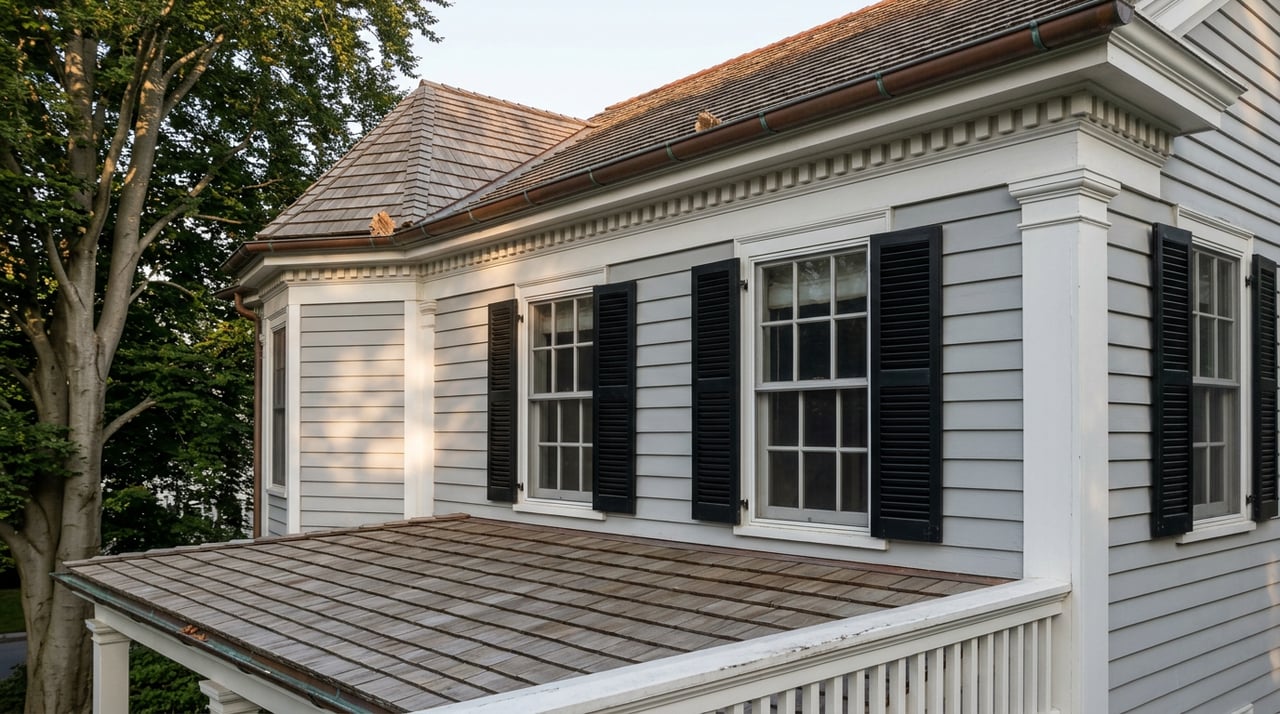
Ask a College Hill homeowner what stands between a tired front porch and a listing photo, and most will say the same thing: a coat of paint, a tightened railing, maybe new sash cords for the window that's stuck since July. Ask the Providence Historic District Commission the same question, and the answer changes. That same coat of paint, if it involves any repair to the wood beneath it, is a project on a locally designated house that needs the Commission's sign-off before a contractor picks up a scraper.
That gap between what a seller assumes is cosmetic and what the district treats as regulated work is where East Side listings lose time. Not in the additions everyone already budgets extra weeks for. In the small stuff.
The rule that doesn't care how small the project is
College Hill sits inside one of Providence's seven locally designated historic districts, overseen by the Providence Historic District Commission, or PHDC. The Commission's own standards are direct on this point: all exterior repairs, no matter how minor, are subject to review and require a Certificate of Appropriateness, regardless of whether a building permit is required at all. A Certificate of Appropriateness, often shortened to a COA, is the approval that confirms a proposed exterior change fits the district's character. Without it, the city's Department of Inspection and Standards will not issue a permit for exterior work on a designated property, and unpermitted work can complicate a sale later, not just the permitting process now.
That single sentence, buried in a standards document most sellers never open, is the whole story. It means a seller preparing to list doesn't get to decide, on their own, what counts as maintenance versus renovation. The Commission does.
Windows and doors are the trap
Here's where the mechanism actually bites. A seller getting a College Hill house ready for market will often replace a worn front door or swap out drafty windows for something that photographs better and reassures a buyer's inspector. Those two categories, windows and doors, are exactly the ones the Commission classifies as major work, not routine repair. A change to windows or doors, what preservation review calls fenestration, gets scrutinized more closely than almost anything else in the district because those elements are expensive, they last decades, and they're the first thing a passerby notices.
Major applications don't get the quick staff sign-off that routine repairs receive within a few days of a complete filing. They go to a public hearing, and public hearings run on the Commission's calendar, not the seller's. Applications for a hearing must be filed at least 14 days ahead of a scheduled meeting, and abutting property owners have to receive written notice with a chance to comment before the Commission decides anything. The Commission is still meeting on this schedule as recently as August 24, 2026, which is the point: this isn't a dormant process a seller can quietly skip. It's active, it's public, and it runs on its own clock.
So the exact improvement a seller is most likely to make before listing, new windows for better curb appeal, a new front door for the hero photo, is the one most likely to require the slowest path through the process. A roof replacement or an addition, the kind of project sellers already know takes planning, moves through the same system. The window swap that felt like a weekend fix does not.
The cushion a listing timeline actually needs
None of this means historic review should scare a seller off improvements. It means the calendar has to account for it. Routine repairs, the ones that don't touch windows, doors, roofing, or siding in a visible way, are often handled in-house by staff within days of a complete application. Anything that qualifies as major, including most fenestration and construction work, needs that 14-day advance filing plus time for the abutter notice period and the hearing itself.
For a seller targeting a specific list date, that difference is the whole plan. Interior refresh work, paint, flooring, kitchen and bath updates, isn't reviewed by the PHDC at all and can proceed on a normal contractor's timeline. Anything visible from the street that touches the building's exterior fabric needs a phone call to PHDC staff before a contractor is booked, not after.
The disclosure that doesn't wait for a certificate
Even a seller who does zero exterior work before listing still has an obligation the Commission's process doesn't touch. Rhode Island's real estate disclosure law requires every seller, regardless of what improvements have or haven't been made, to tell the buyer if the property sits in a historic district, along with a notice that construction, expansion, or renovation may be limited and that the buyer should contact the local building inspection official for details. That disclosure sits in the state-mandated form itself. It applies whether or not the seller ever files for a Certificate of Appropriateness, because it's about what the buyer is walking into, not what the seller has done.
In practice, this means the historic-district conversation with a buyer starts on paper before it ever starts in person. A seller who understands the review process well enough to explain it clearly, rather than pointing to a form and shrugging, controls that conversation instead of being surprised by a buyer's attorney raising it during review.
What $2.2 million bought on Olive Street
The premium buyers pay for College Hill's historic character isn't abstract. A Greek Revival at 6 Olive Street, built in 1850 with more than 6,000 square feet across multiple levels, sold for $2.2 million in 2026, the highest single-family sale the neighborhood had recorded so far that year according to Rhode Island Statewide MLS records reported by Providence Business News. The listing described a blend of preserved 19th-century architectural elements with updated interior spaces, which is precisely the combination the PHDC's review process is designed to protect: original exterior character paired with interiors that work for the way people live now.
That's the other half of the thesis. Buyers paying at this level aren't just tolerating the review process, they're paying for its outcome. A seller who shortcuts an exterior repair to save two weeks risks undercutting the exact quality that supports a price like this one, and risks a title or disclosure question surfacing during the buyer's own diligence.
A seller's actual checklist
Before listing a historic East Side property, a few steps matter more than the rest:
- Confirm the property's exact designation status with PHDC staff. Preservation Planner Jason Martin's office can tell you whether a specific address falls within College Hill's local district boundary, separate from any national register plaque, which does not by itself trigger local review.
- Separate interior refresh work from exterior repair work in your planning. Interior updates and paint color choice generally aren't reviewed and can move on a normal timeline.
- Treat any window, door, roofing, or siding project as a major-category question until PHDC staff tells you otherwise, and build in weeks, not days.
- Keep documentation, photographs, and any prior Certificates of Appropriateness organized for the buyer's file. It shortens the buyer's own diligence and answers the disclosure question with specifics instead of a shrug.
- Loop in your agent and the buyer's side early if any exterior project is mid-review at the time of listing. A pending application is itself a fact worth disclosing clearly rather than letting a buyer discover it.
A few questions worth answering directly
Does a historic district designation raise my property taxes? No. Rhode Island guidance is clear that local historic district status does not increase property taxes, since assessments remain based on fair market value rather than district designation.
Do I need approval just to repaint the trim the same color? Paint color choices themselves generally aren't reviewed. Where review comes in is repair work to the substrate beneath the paint, replacing rotted clapboards or trim before repainting counts as exterior repair and needs a Certificate of Appropriateness, even though the color decision does not.
Selling a historic East Side property rewards sellers who plan the exterior calendar as carefully as they plan the interior staging. The house that photographs well and closes on schedule is usually the one where someone called PHDC staff before calling a contractor.
If you're weighing a listing timeline on College Hill or elsewhere on the East Side and want a clear read on what your specific property will and won't require, The Sweeney Advisory can walk through it with you. Book a private consultation.