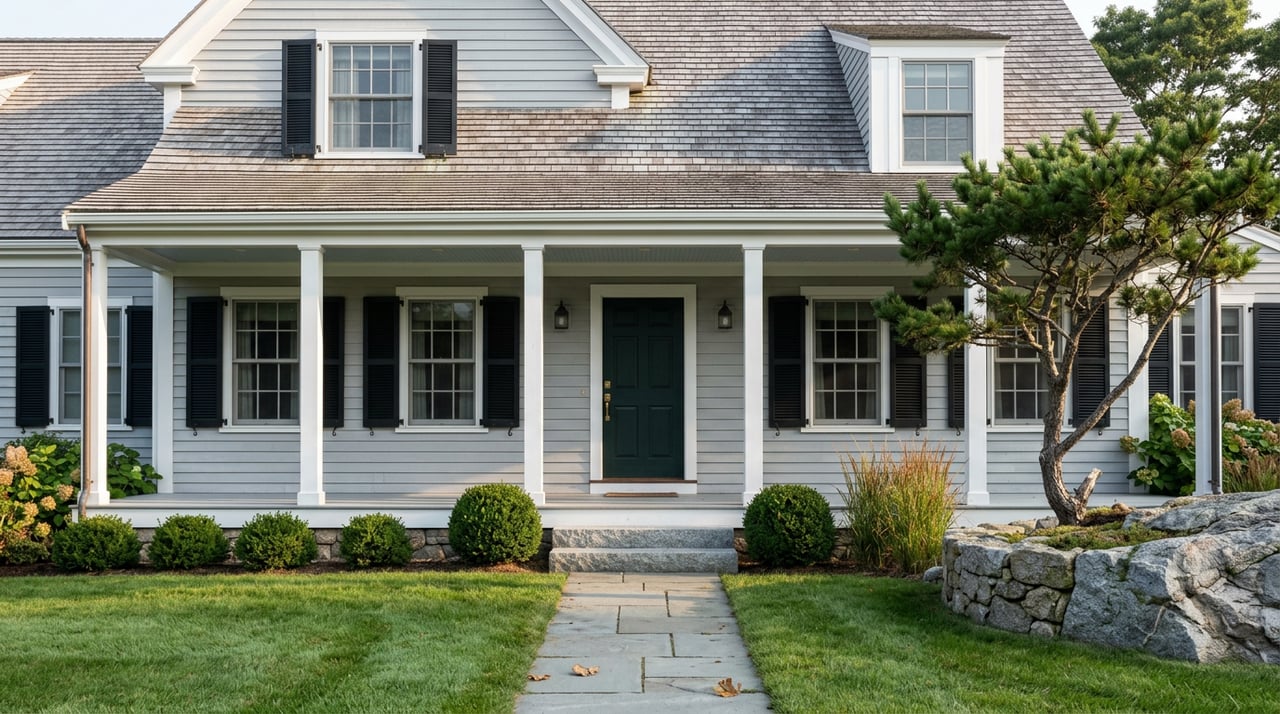
If you love East Greenwich but not the upkeep that comes with a larger home, you are not alone. Downsizing here is less about leaving the community behind and more about choosing the version of East Greenwich that fits how you want to live now. Whether you want walkability, water access, less yard work, or an easier commute, the right neighborhood depends on your priorities. Let’s dive in.
How East Greenwich Fits Downsizers
East Greenwich is compact, but it offers very different living patterns depending on where you land. The town’s layout is shaped by a historic Main Street core, the Greenwich Cove waterfront, and broader suburban and rural areas farther inland.
That matters because East Greenwich still leans heavily toward detached housing. A 2025 RIHousing draft housing chapter says the town has 5,598 housing units, a median year built of 1981, and only 117 multi-family buildings, which means truly low-maintenance options are more limited than many buyers expect.
For most downsizers, the choice comes down to a few key tradeoffs. You may want more walkability, less exterior maintenance, closer water access, or a little more privacy without taking on too much land.
Main Street and Harbor Living
If your goal is to drive less and stay close to the social center of town, Main Street, Harbor, and the inner downtown neighborhoods are often the strongest fit. This part of East Greenwich is known for shopping, dining, and a walkable historic core.
The Harbor area is especially important for downsizers because it has the highest residential density in town. According to the RIHousing chapter, this area includes single-family homes, townhouses, and condominiums on smaller lots, making it one of the most natural right-sizing zones in East Greenwich.
You may also find parts of the Main Street corridor with apartments above ground-floor commercial space. If your ideal move means stepping out for dinner, errands, or local events without relying on the car as much, this area deserves a close look.
Tradeoffs to Expect Downtown
Convenience comes with a few practical considerations. The East Greenwich Police Department says traffic and parking are its number-one complaint, and the town uses a residential overnight parking permit system for certain downtown streets.
If you are considering a historic property, renovation plans may involve more review. The town’s Historic District Commission oversees new construction and alterations in historic districts and on outlying historic properties, so exterior changes can take more planning than they would in a newer neighborhood.
The Hill as a Middle Ground
The Hill offers a useful middle path if you want character and proximity to downtown without as much density. It is still historic and still close to Main Street, but it trends more toward detached homes and somewhat larger lots than the Harbor side.
The RIHousing chapter describes the Hill as primarily single-family, with lots generally larger than those in Harbor. Farther west, average lot sizes reach about 10,000 square feet, which can appeal to buyers who want breathing room without moving to the edge of town.
For some downsizers, this is the sweet spot. You keep a strong sense of place and access to town amenities, but you may avoid the tighter feel of the most walkable downtown blocks.
Greenwich Cove for a Waterfront Lifestyle
If boating or water access is central to your next chapter, Greenwich Cove and the Scalloptown waterfront stand out. The town describes Greenwich Cove as home to many small marinas and waterfront dining spots, and the harbor department manages 110 mooring permits on the easterly side of the cove, along with limited kayak spaces.
Scalloptown Park adds another layer to the lifestyle. It offers waterfront access, trails, fishing, bike trail use, and picnic areas, which makes this district appealing if you want activity and scenery without a large private yard.
This part of town can be especially compelling if you are not simply buying a smaller home, but instead buying into a more experience-driven lifestyle. For the right buyer, that distinction matters.
Waterfront Access Is Not the Same as Downtown Walkability
One common surprise is that living near the waterfront does not always mean easy access to Main Street. The town’s waterfront planning materials note that the district is separated from the Main Street and residential side by the railroad corridor and has constrained vehicular and pedestrian access points.
In simple terms, the map can make things look closer and easier than they feel day to day. If spontaneous walkability is your top priority, you will want to compare this area carefully against a true downtown location.
Suburban Areas for Simpler Ownership
For many homeowners, the most practical downsizing move is not downtown at all. The suburban neighborhoods east of Route 4 and between Route 4 and Route 2 often work well if you want a smaller or simpler single-family home while keeping a suburban setting.
The RIHousing chapter describes these areas as tree-lined subdivisions with single-family homes on comfortably sized lots, generally at least one-third acre, with most homes built in the 1960s or later. That can mean less intensity than downtown and less land than a larger estate-style property.
This is often the best fit if you want to simplify, but not fully change your lifestyle. You may still have a yard and more private space, but the maintenance burden can be more manageable than in larger-lot sections of town.
Why Route 4 Access Matters
These neighborhoods also benefit from convenient highway access. RIDOT identifies Route 4 as a 5.4-mile freeway linking Route 102 to the I-95 merge, and East Greenwich exits connect with Route 2, Frenchtown Road, and commercial corridors serving the town.
If you still commute, visit family often, or simply want easier regional travel, this location advantage can be a major quality-of-life factor. For some downsizers, convenience is not just about walking to dinner. It is also about getting everywhere else with less effort.
West of Route 2 for Space and Privacy
West of Route 2 is usually the least natural fit for buyers focused on lower maintenance. This area is better described as the space-first option.
According to the RIHousing chapter, much of the land here is zoned as farming district land with one- and two-acre minimums, along with large-lot subdivisions developed over time. Some homes are historic farmhouses, while many others were built in the late 1970s or later.
If privacy, acreage, and separation are your top priorities, this area may still appeal to you. But if your main goal is reducing yard work, ongoing upkeep, and house size, this section of East Greenwich often gives you more property than you want to manage.
What Matters Most When Downsizing
The right neighborhood is rarely about price alone. In East Greenwich, it is usually about matching your next home to the way you actually want to spend your time.
If you want to trade driving for walking, focus on Main Street, Harbor, and nearby inner-ring neighborhoods. If you want boating and waterfront access, Greenwich Cove and Scalloptown are the clearest fit.
If you want simpler ownership without leaving a suburban setting, look closely at neighborhoods east of Route 4 and between Route 4 and Route 2. If you want privacy above all else, west of Route 2 may offer that, but often with more maintenance.
Local Services That Can Support the Move
East Greenwich offers a few town resources that are worth factoring into your decision. Community Services & Parks provides senior programs, and the town transportation program is available to residents age 55 and older and residents with disabilities.
That transportation program provides rides for medical appointments in town, grocery shopping, pharmacies, and some retail trips. For some buyers, access to practical support like this can make staying in town more feasible and more comfortable.
The town also supports an active lifestyle that may matter as much as the home itself. Public resources include preserved open space through the East Greenwich Land Trust, plus programming shown in the 2026 Summer Program Guide such as adult fitness, pickleball, tennis, kayaking, and SUP.
Finally, affordability should include more than the purchase price. The town assessor’s pages show a senior tax exemption program and a tax deferral program for eligible residents, which may be relevant if you are comparing the true carrying cost of one neighborhood versus another.
A Simple Way to Narrow Your Search
If you are comparing East Greenwich neighborhoods for downsizing, start with lifestyle before square footage. Ask yourself which matters most: walkability, water access, lower maintenance, highway convenience, or privacy.
From there, the town begins to sort itself out. Downtown and Harbor are best for convenience and attached-home options, the Hill balances charm and space, Greenwich Cove favors a waterfront lifestyle, suburban neighborhoods support simpler single-family living, and west of Route 2 suits buyers who still want land.
A well-planned downsizing move should feel like a refinement, not a compromise. If you want help comparing East Greenwich options with a clear, tailored strategy, Michael Sweeney can help you evaluate the right fit with local perspective and a concierge-level approach.
FAQs
Which East Greenwich neighborhoods are most walkable for downsizers?
- Main Street, Harbor, and the inner-ring downtown neighborhoods offer the strongest walkability, with close access to shopping, dining, and the town’s historic core.
Which East Greenwich areas have the best low-maintenance housing options?
- Harbor and the downtown edge have the most natural low-maintenance options, including townhouses, condominiums, and some apartments above retail, while newer multifamily activity along the Route 2 and Route 4 corridors may also offer simpler ownership.
Which East Greenwich neighborhood is best for boaters and waterfront access?
- Greenwich Cove and Scalloptown are the clearest fit for boaters because of marinas, town-managed moorings, limited kayak access, and waterfront park access.
Which East Greenwich neighborhoods are best for commuters?
- The suburban neighborhoods east of Route 4 and between Route 4 and Route 2 are generally best for commuters because they connect most easily to Route 4, Route 2, and the I-95 corridor.
Which East Greenwich area usually involves the most upkeep?
- West of Route 2 typically means the most upkeep because homes there often sit on one- to two-acre lots or in larger-lot subdivisions that require more exterior maintenance.
What should older buyers know before downsizing within East Greenwich?
- Older buyers should consider the town’s senior programs, transportation services for eligible residents, and potential senior tax exemption or tax deferral options when comparing neighborhoods and carrying costs.