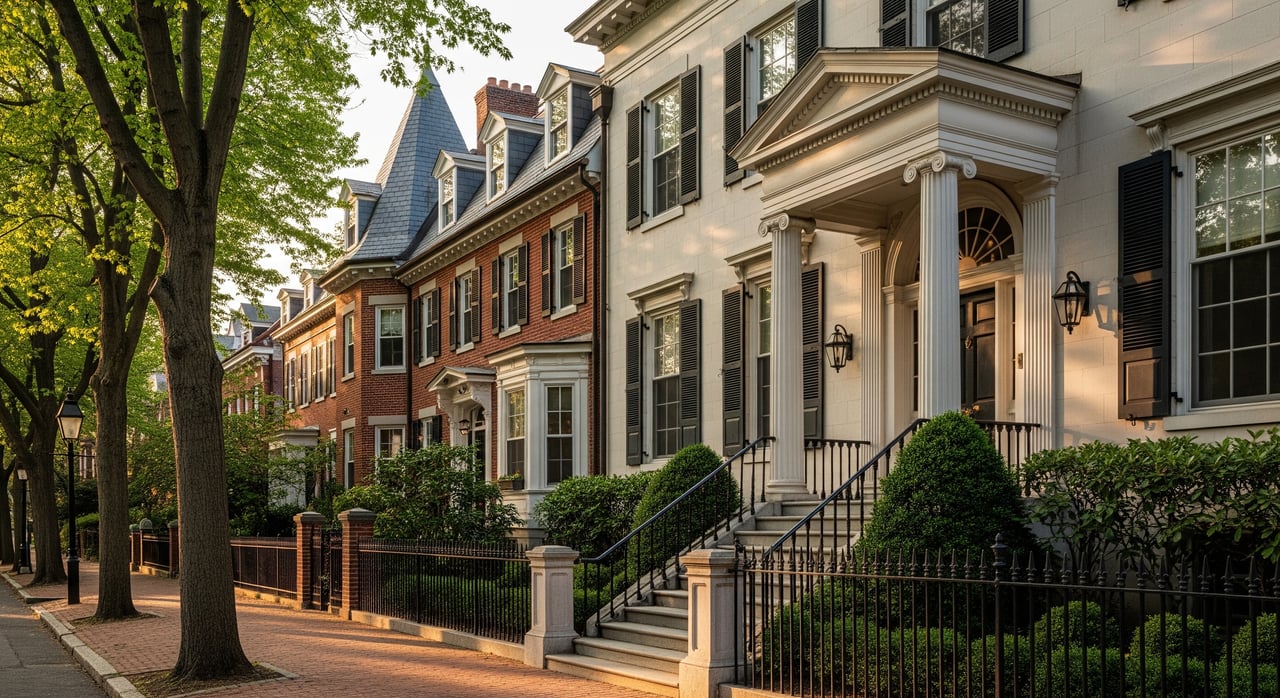
Love the look of Benefit Street’s historic homes but wonder what living in one really feels like day to day? You are not alone. On Providence’s East Side, architecture is more than curb appeal. Each style shapes your layout, maintenance needs, energy use, and resale story. This guide breaks down the major styles you will see, what they mean for daily life, and how to match them to your priorities. Let’s dive in.
East Side, not East Providence
The East Side of Providence includes College Hill, Wayland, Blackstone, and Fox Point. It is part of the City of Providence. East Providence is a separate city across the Seekonk River. When people say “East Side,” they are usually talking about these Providence neighborhoods.
You will find a deep historic fabric here. College Hill, especially the Benefit Street corridor, holds one of the most intact historic districts in the country. Many blocks have design review that guides exterior changes. Brown University and RISD add steady demand and influence how homes are used, from single-family living to student rentals. This mix supports strong interest in preserved details and careful renovations.
Colonial and Federal
Era: Late 1600s to early 1800s, abundant on College Hill.
How to spot it
- Symmetrical façades with centered entry doors
- Classical entry surrounds, fanlights, pilasters
- Double-hung multi-pane windows
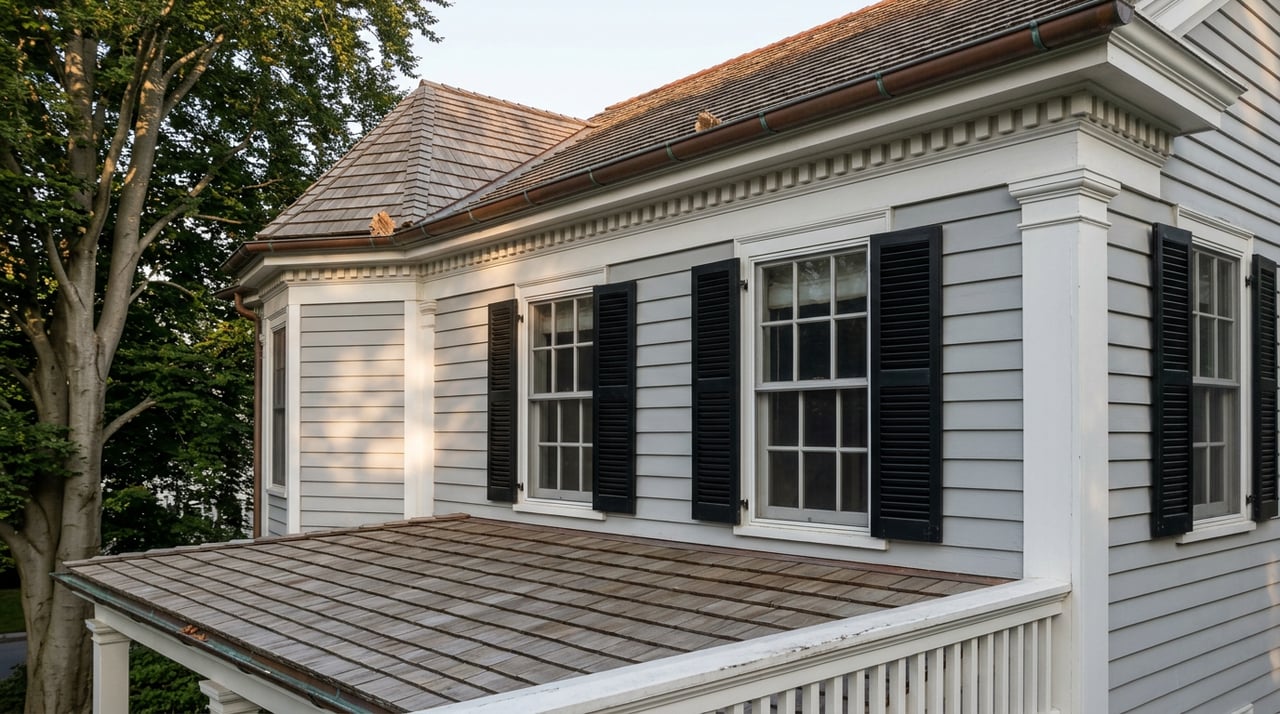
- Brick or wood clapboard exteriors
- Gable or hipped roofs with a steeper pitch
Inside the layout
- Formal front parlors and central halls or staircases
- Plaster walls, moldings, and fireplaces
- Smaller original kitchens that are often modernized
Daily life and upkeep
You get timeless proportions, formal rooms, and standout street presence. Rooms are often more distinct than open. You may navigate narrow stairways and multiple levels. Many systems have been updated, but older plumbing and electrical can remain in the mix.
Exterior changes often require design review on protected blocks. Original windows and slate roofs may need specialized care. You should plan for periodic paint cycles and masonry work on older brick or stone.
Where you see it
Benefit Street and surrounding College Hill are the best showcases, with many protected properties and strong preservation standards.
Victorian styles
Era: Roughly 1830 to 1900, common in Wayland, Fox Point, and parts of Blackstone.
How to spot them
- Italianate: Tall, narrow windows with crowns, bracketed cornices, low-pitched roofs
- Second Empire: Mansard roofs with dormers, decorative brackets
- Queen Anne: Asymmetry, bay windows, turrets or towers, patterned shingles, wraparound porches
Inside the layout
- Multiple parlors and high ceilings
- Ornate trim, detailed woodwork, and pocket doors
- Bay-windowed rooms that bring in light
Daily life and upkeep
Victorian homes deliver drama, detail, and gracious ceilings. Interiors can feel compartmentalized. If you prefer open-plan living, you may plan targeted renovations. Decorative exteriors require regular maintenance. Expect attention to painted wood, porches, and chimneys. Fireplaces are common and benefit from inspection.
Some homes near campus areas have been converted to multi-family. When well maintained, the decorative exterior is a selling point and a draw for buyers who prize period character.
Tudor Revival
Era: Circa 1890 to 1940, often found along Blackstone and parts of Wayland.
How to spot it
- Steep gable roofs and front-facing peaks
- Half-timbering with stucco infill
- Tall, narrow, grouped windows, sometimes leaded
- Prominent brick or stone chimneys with decorative chimney pots
Inside the layout
- Arched doorways and exposed beams in some homes
- Formal hearths and casement or leaded windows
Daily life and upkeep
Tudor Revival homes offer a storybook aesthetic on larger lots. Masonry and stucco need preservation-minded care. Historic windows may use storm systems to boost efficiency while keeping the look. When combined with modernized kitchens and mechanicals, these homes balance charm with comfort.
Mid-century homes
Era: Roughly 1945 to 1975, found in limited pockets and in apartment buildings.
How to spot it
- Simpler lines and minimal ornament
- Lower to moderate roof pitches
- Larger windows and a focus on function
Inside the layout
- More open-plan spaces and built-ins
- Wider corridors than many historic homes
- Some single-story examples on gentler slopes
Daily life and upkeep
Mid-century homes are easier to align with contemporary living. Mechanical systems are newer than 19th-century housing but may need HVAC or window updates. If you value straightforward maintenance and flexible layouts, mid-century can be a practical choice on the East Side.
Contemporary and modern
Era: 1990s to present, seen as infill, adaptive reuse, and renovations.
How to spot it
- Clean lines and larger glazing
- Mixes of traditional and modern materials
- Designs that can nod to historic context on sensitive streets
Inside the layout
- Open-plan living and larger kitchens
- Central HVAC and energy-efficiency upgrades
Daily life and upkeep
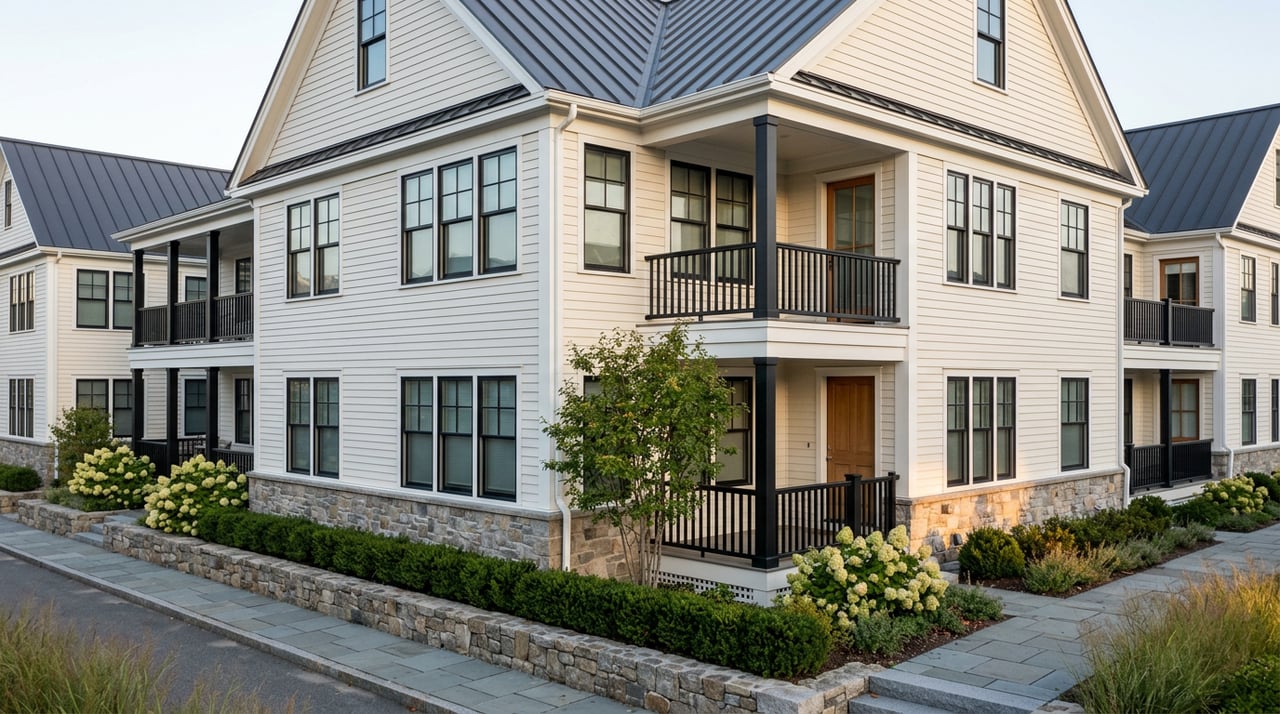
Modern homes often deliver lower immediate maintenance and better efficiency. If they are outside strict historic districts, you may find fewer exterior restrictions. In protected areas, many projects preserve the façade but rework interiors for modern use.
Find your style fit
You want historic charm
Choose Colonial or Federal for classic symmetry, formal rooms, and historic streetscapes. Expect more preservation oversight and a traditional layout. Plan for specialist care for windows, slate roofs, and masonry.
You want expressive detail
Choose Victorian for towers, bays, and porches. You will enjoy soaring ceilings and period woodwork. Budget for painting, porch repair, and fireplace care, and consider selective wall changes to open key living spaces.
You want character and a larger lot
Choose Tudor Revival for storybook curb appeal and substantial masonry. Plan for expert stucco and chimney maintenance. Look for homes with updated kitchens and mechanicals for a balanced experience.
You want easy, flexible living
Choose Mid-century or Contemporary for simpler exteriors, open layouts, and modern systems. These homes are easier to adapt to today’s kitchens, baths, and technology.
You want an investment angle
Look near campus-adjacent blocks where some homes have multi-family conversions. Factor in local rules before changing use or exterior appearance. Preservation-sensitive updates help maintain value in a discerning market.
Daily living considerations
Layout and access
Older homes favor distinct rooms and formal circulation. Narrow stairs and multiple levels are common on College Hill. If you need single-level living or wider stairs, mid-century or newer homes may fit better.
Ceiling height and comfort
Main floors in Colonial and Victorian homes often have generous ceiling heights. This adds presence and affects lighting and HVAC needs. Plan for appropriately sized systems and window treatments.
Mechanical systems and efficiency
Historic homes often use boilers and radiators. Central air may not be present but can be added with careful planning. Original single-pane sash windows are common. Storm windows and targeted upgrades can improve performance, especially where design review limits replacements.
Insulation and air sealing are typical upgrades. Masonry walls need expert guidance. Older homes may contain lead paint and, less commonly, asbestos. Budget for inspection and remediation under federal and state rules when appropriate.
Exterior maintenance checklist
- Roof type and age. Slate is durable and historic but needs specialized repairs. Asphalt is less costly but may not be approved on protected blocks.
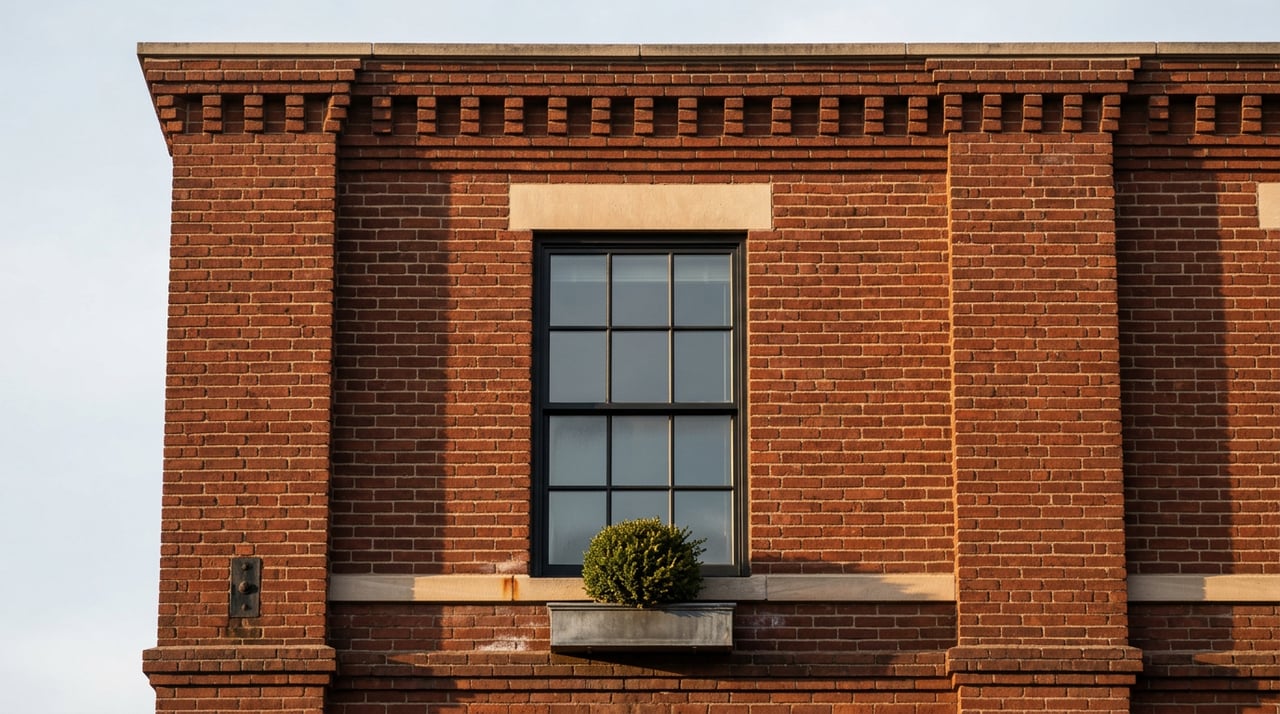
- Masonry and mortar. Brick and brownstone require proper repointing to avoid damage.
- Wood siding and trim. Expect paint cycles, rot repair, and custom trim replication.
- Foundations and water. Stone and rubble foundations may need stabilization or waterproofing. Watch for moisture on sloped lots.
- Stormwater and flooding. Low-lying areas near the waterfront in Fox Point may be in flood zones. Review maps and insurance needs before you buy.
Historic rules, permits, and approvals
Many East Side properties fall within local historic districts. Exterior changes typically require a Certificate of Appropriateness through the Providence Historic District Commission. Interior changes are less regulated in most cases. Some properties have additional easements or covenants, so review title carefully.
For larger plans, you may also need building permits or zoning relief. Start early with the City of Providence Building Department, the Planning and Zoning office, and the Historic District Commission. Preservation organizations can help you understand neighborhood standards and resources.
Incentives and expert help
Income-producing historic properties may qualify for the federal Historic Preservation Tax Credit if the rehabilitation is certified. State or local programs can also support certain projects. Availability changes, so confirm details with the Rhode Island Historic Preservation and Heritage Commission and the City.
Given the building types here, you will likely need preservation-aware architects and contractors. Slate roofing, historic window repair, and masonry are specialized trades. Attorneys and title professionals who understand preservation easements are valuable for smooth transactions.
Resale realities on the East Side
Historic character is a major driver of value. Homes with intact details on streets like Benefit Street and Blackstone Boulevard can command premiums. That said, strict oversight and the need for specialized maintenance can narrow the buyer pool.
Tasteful renovations that respect historic integrity while modernizing mechanicals tend to perform well. Poorly executed work can reduce value in a market that cares about preservation. Parking is limited on many blocks, and hills can be a factor. Proximity to universities, transit, and amenities helps offset those limits for many buyers.
Plan your next step
Choosing a home style on the East Side is about how you live day to day and how you plan to maintain value over time. If you want help aligning layout, preservation rules, and renovation scope with your goals, let’s talk. Schedule a private, no-pressure strategy call with Michael Sweeney to map the right path forward.
FAQs
What defines a Colonial or Federal home on College Hill?
- Symmetry, classical entry details, multi-pane sash windows, and brick or clapboard exteriors with formal interior rooms.
How much maintenance do Victorian homes need in Providence?
- Expect regular exterior painting and porch care, plus fireplace and chimney inspections; costs vary by condition and scope.
Can you add central air in a historic East Side house?
- Often yes with careful planning and design review where required; ductless or low-profile systems can limit impact.
Do East Side homes near Fox Point face flood risk?
- Some low-lying, waterfront-adjacent blocks may be in FEMA flood zones; review maps and insurance requirements.
Are additions allowed in local historic districts on the East Side?
- Additions typically require approval; success depends on compatibility, scale, and compliance with district standards.
Are East Side properties mainly owner-occupied or rentals?
- Both are common; proximity to Brown and RISD supports rental demand alongside a strong owner-occupant market.