Do you want to grab coffee, hit a park, and meet friends for dinner without moving your car? Providence’s East Side makes that routine feel easy. If you are weighing a move within the city or relocating to Rhode Island, the right block here can offer real daily convenience. In this guide, you will learn where walkability shines, what trade-offs to expect, and how to evaluate a specific street before you buy. Let’s dive in.
Important note: Locals use “East Side” to mean the Providence neighborhoods east of the Providence River, such as College Hill, Fox Point, Wayland, and Blackstone. This is different from the separate municipality of East Providence across the Seekonk River.
What walkable living means here
Walkability on the East Side is about short, pleasant walks to everyday needs. You can reach cafés, small markets, restaurants, pocket parks, and cultural spots in minutes. Sidewalk coverage is strong on main streets like Benefit, Thayer, Hope, and Blackstone Boulevard. Retail corridors are compact, which keeps errands efficient.
The East Side also benefits from nearby campuses. Brown University and RISD bring museums, lectures, and performances to the neighborhood. You can preview campus locations and amenities using the Brown University campus map and RISD visitor resources. This energy adds convenience and culture, although you should expect more foot traffic close to Thayer Street and campus edges.
Where walkability shines
College Hill: Thayer and Benefit corridors
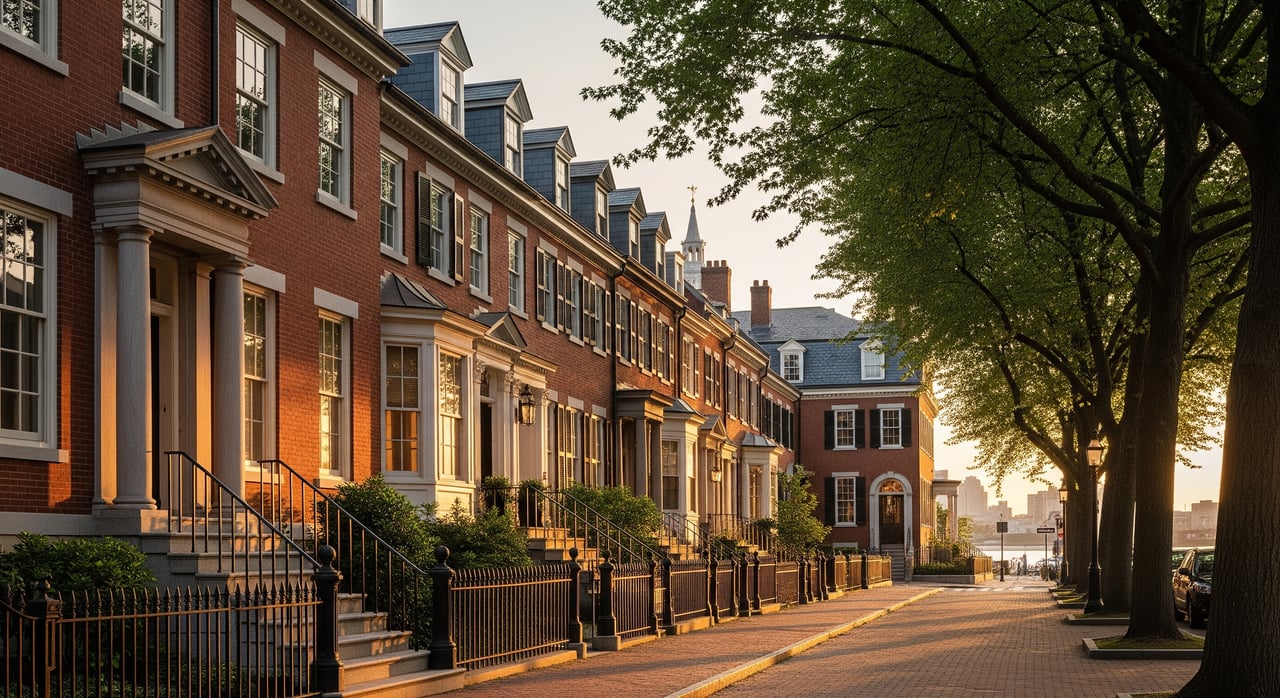
College Hill blends historic architecture with some of the East Side’s most active pedestrian blocks. Thayer Street concentrates cafés, quick eats, bookstores, and small shops. Benefit Street’s “Mile of History” offers a continuous row of 18th and 19th century homes and museums with strong sidewalk continuity.
What you will notice day to day: lively evenings near Thayer, quieter side streets, and variable curb parking. Many properties are historic and some lack off-street parking. If you want frequent dining and culture a short walk away, this pocket delivers.
Wayland and the Hope Street corridor
Wayland offers an easy rhythm of daily life. Independent shops and eateries line Hope Street and nearby cross streets, and small parks dot the area. Side streets feel residential, with a mix of single-family homes and small apartment buildings that keep most errands close by.
Expect steady, not hectic, foot traffic and good access to essentials. Many buyers appreciate the blend of convenience and calmer residential blocks.
Blackstone and Blackstone Boulevard
The tree-lined median on Blackstone Boulevard functions like a linear park, popular with walkers, runners, and dog walkers. Retail is more dispersed than Thayer or Hope, though essentials are a short walk or bike ride away. If you want daily outdoor time without leaving the neighborhood, the boulevard is a highlight. Learn more about the area’s green corridor through the Blackstone Parks Conservancy.
Daily takeaways: a quieter street feel, strong recreation access, and fewer late-night destinations on your block.
Fox Point and India Point Park
Fox Point puts the waterfront and downtown access within easy reach. India Point Park anchors outdoor life with paths, lawn space, and seasonal events, and it connects to the East Bay bike path. Cafés and restaurants are scattered throughout the neighborhood, with more options just across the river downtown. If you want a brisk walk to the water plus short hops to nightlife, start your search here.
Getting around without a car
Public transit basics
RIPTA buses serve major East Side corridors and connect to downtown and Providence Station. Service varies by route and time of day, so confirm current schedules for the streets you are considering using RIPTA’s routes and schedules. If you plan to commute by transit, test the trip during your actual commute hours.
Biking and walking routes
Sidewalks are generally consistent on main corridors, though smaller side streets can be narrower. Bike infrastructure is improving yet not uniform. Blackstone Boulevard is popular with walkers, runners, and cyclists, but it is not a protected bike lane. If daily biking matters to you, ride your likely commute at peak hours and review city bike maps before you commit.
Parking and car ownership
Parking is block specific on the East Side. Near Thayer Street and around campus, curb spaces can be tight or time limited. Many historic homes do not include driveways, and some condos rely on assigned or deeded spaces.
Before you buy, verify:
- Whether the property includes deeded or assigned parking and how many spaces.
- Any residential permit requirements or meter rules for the block using the City of Providence parking pages.
- Guest parking options, especially for weekend visits.
- How curb availability feels at different times of day. Visit on a weeknight and a weekend evening.
If you have two or more cars, confirm logistics for daily routines like grocery drop-offs, childcare pickups, and winter parking rules.
Housing patterns and trade-offs
You will find a broad mix of homes on the East Side:
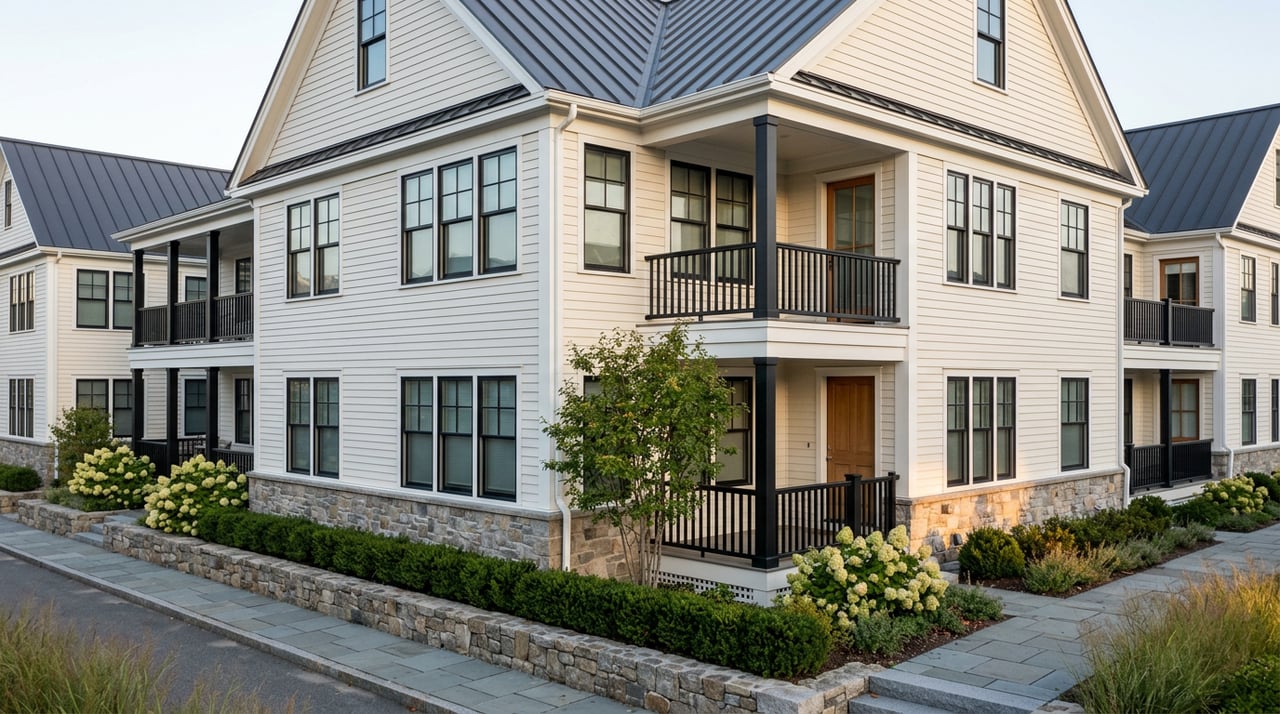
- College Hill and Fox Point: historic single-family homes, multi-unit conversions, brownstones, and small condos. Benefit Street features larger historic houses.
- Wayland and Blackstone: single-family homes, two- to four-family houses, and low-rise apartment buildings. Newer infill and mid-rise condos appear in select pockets.
Trade-offs tend to be consistent with walkable urban living:
- Convenience vs. space: smaller lots, limited private yard space, and fewer driveways are common near the most walkable blocks.
- Historic district considerations: exterior changes often require review. Check the Providence Historic District Commission for rules and maps.
- Campus proximity: culture and dining are close at hand, with more student-related foot traffic and weekend activity. Decide what balance fits your routine.
Market conditions shift, and the East Side generally commands higher prices than many other Providence neighborhoods due to historic character and amenities. Ask your advisor for current MLS data on inventory, days on market, and price trends before you set a budget or timeline.
Which pocket fits your lifestyle
- You value culture and dining steps away: Look along Thayer Street and lower College Hill, then walk the side streets to compare noise and parking.
- You prefer residential calm near local shops: Start on Hope Street and nearby Wayland blocks where daily needs are close and street life is steady.
- You want green space out your front door: Focus on blocks near Blackstone Boulevard, then map your favorite grocer and coffee routes.
- You want water views and downtown access: Tour Fox Point near India Point Park and try the walk into downtown at different times.
How to evaluate a specific block
Use this simple method to compare addresses:
- Walk your daily routine. Start at the front door and time the walk to coffee, a quick lunch, a small market, and the nearest park.
- Test transit. Use RIPTA’s route map and ride the bus downtown during your normal commute hours.
- Check curb conditions. Visit on a weekday evening and weekend evening. Note meter times, permits, and turnover.
- Observe foot traffic. Decide what level of street activity feels comfortable to you.
- Confirm historic status. If you plan exterior updates, review the Historic District Commission resources.
- Verify a walkability snapshot. Use Walk Score’s Providence overview as a quick indicator, then validate on the ground.
What to check before you buy
- Parking: deeded or assigned spaces, garage rights, and guest options.
- Municipal rules: meter zones, permit requirements, and enforcement using City of Providence parking information.
- Transit access: nearest RIPTA routes and frequency during your commute window.
- Greenspace: distance to Blackstone Boulevard or your closest park; event schedules for India Point Park.
- Historic considerations: district boundaries and approval steps via the Historic District Commission.
- Noise and activity: proximity to Thayer Street, campus venues, and seasonal waterfront events.
Your next step
The right East Side block can make your daily life simpler, healthier, and more enjoyable. With clear priorities, on-the-ground testing, and a focused search, you can find a home that puts coffee, parks, and dinner within an easy stroll. When you want an advisor who understands the nuances of College Hill, Wayland, Blackstone, and Fox Point block by block, connect with Michael Sweeney for a private consultation.
FAQs
What does “East Side of Providence” include, and how is it different from East Providence?
- The East Side refers to Providence neighborhoods east of the Providence River, including College Hill, Fox Point, Wayland, and Blackstone. East Providence is a separate municipality across the Seekonk River.
How can I confirm bus access from a specific East Side address?
- Use RIPTA’s routes and schedules to check current service, then ride your intended commute during peak hours to confirm timing and transfers.
Where can I verify parking rules and residential permits for my block?
- Review the City of Providence parking information for meters, permits, and enforcement, then confirm property-specific details in seller disclosures.
What are the best places for daily outdoor walks on the East Side?
- Blackstone Boulevard’s linear park is a favorite for walking and jogging, and India Point Park offers waterfront paths with views and seasonal events.
How do historic districts affect renovations on the East Side?
- Many exterior changes require review. Check district maps and guidelines with the Providence Historic District Commission early in your planning.
What is the best way to gauge a block’s walkability before making an offer?
- Use Walk Score for a quick read, then visit at different times to test your real walk to coffee, groceries, parks, and transit, and note curb parking conditions.