If you are selling a home that has been in your family for decades, you are not just listing square footage. You are navigating history, memories, paperwork, and a market that can reward the right strategy. In East Greenwich, that matters even more because many long-held homes sit in a town shaped by historic character, strong owner occupancy, and buyers who notice condition and presentation. This guide will help you think through pricing, preparation, disclosures, and estate coordination so you can move forward with clarity. Let’s dive in.
Why legacy homes need a different plan
A legacy home often carries more complexity than a typical sale. You may be balancing emotional decisions with practical ones, especially if the property is part of an estate or has been owned by the same family for many years. In East Greenwich, that complexity can increase if the home sits in or near a historic area.
East Greenwich was incorporated in 1677 and is one of Rhode Island’s oldest towns. The town includes historically significant areas such as Main Street and the Hill and Harbor district, and it maintains a Historic District Commission. That local context means some homes come with both special appeal and added review requirements.
The local housing profile also helps explain why strategy matters. East Greenwich has a 2024 population estimate of 14,769, a median household income of $177,090, an owner-occupied housing rate of 83.5%, and a median owner-occupied home value of $671,700. In a market like this, many buyers are looking closely at quality, upkeep, and the overall feel of the property.
Price to the right comp set
One of the biggest mistakes legacy-home sellers can make is anchoring to a broad town-wide number. That may sound simple, but it can lead you away from the price range that actually fits your property. A historic Colonial near the Hill and Harbor area, for example, should not be judged the same way as a more updated home in a different setting.
Recent 2026 market data shows why precision matters. Redfin reported a March 2026 median sale price of $625,000 in East Greenwich, with median days on market at 32, while Realtor.com showed a median listing home price near $899,900 for the town and a median sale price of $735,000 for ZIP code 02818. These numbers reflect different methods, geographies, and timing, which is exactly why a narrow and relevant comp set matters more than a headline median.
When inventory is measured in dozens of homes and many properties can still move in about a month, details have weight. Condition, architectural style, lot setting, updates, and presentation can all influence how buyers respond. For a legacy home, thoughtful pricing is not about chasing the highest number. It is about finding the price that supports strong interest and protects your negotiating position.
Prepare the home without erasing its character
Many sellers ask the same question: should you renovate before listing? In East Greenwich, the better question is usually which improvements will strengthen buyer confidence without overspending or removing what makes the home distinctive.
A selective approach often works best. Start by identifying deferred maintenance, visible wear, and items that may distract buyers from the home’s strengths. Then separate cosmetic wants from improvements that support function, safety, and first impressions.
Legacy homes often benefit from smart, limited preparation such as:
- Repairing obvious maintenance issues
- Refreshing paint where needed
- Improving lighting and curb appeal
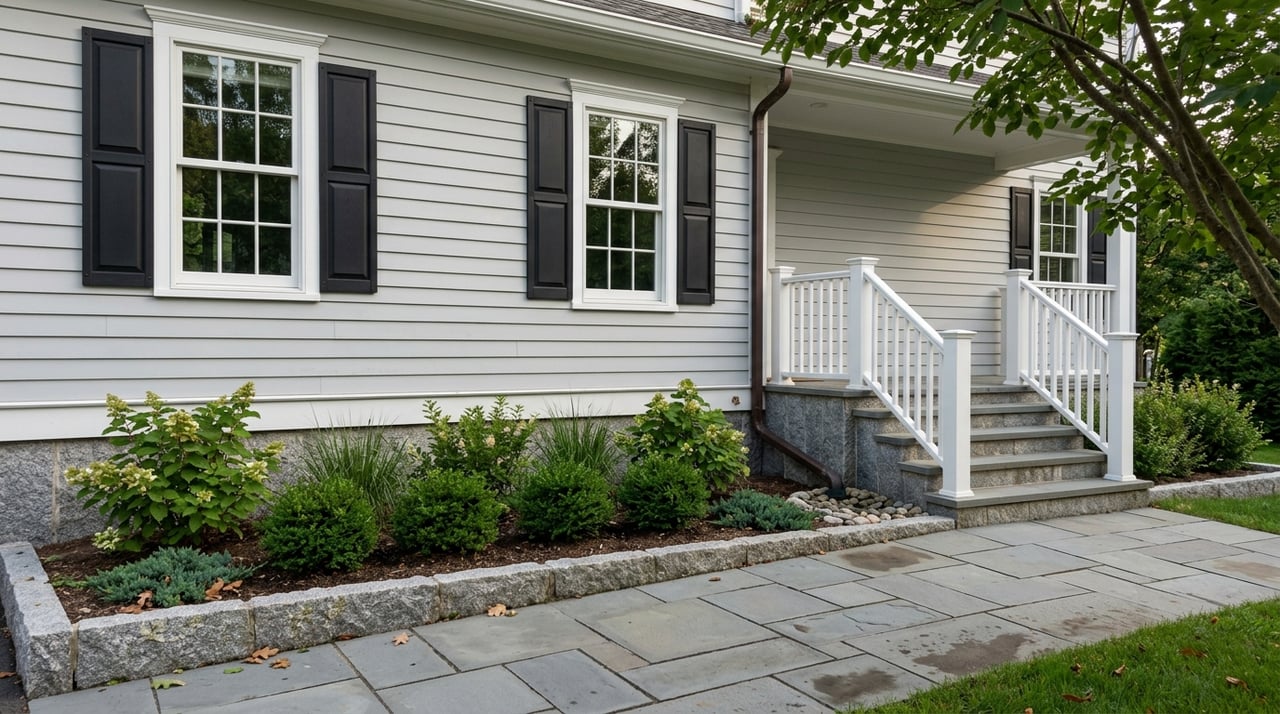
- Refining landscaping and exterior presentation
- Removing excess furniture or personal items
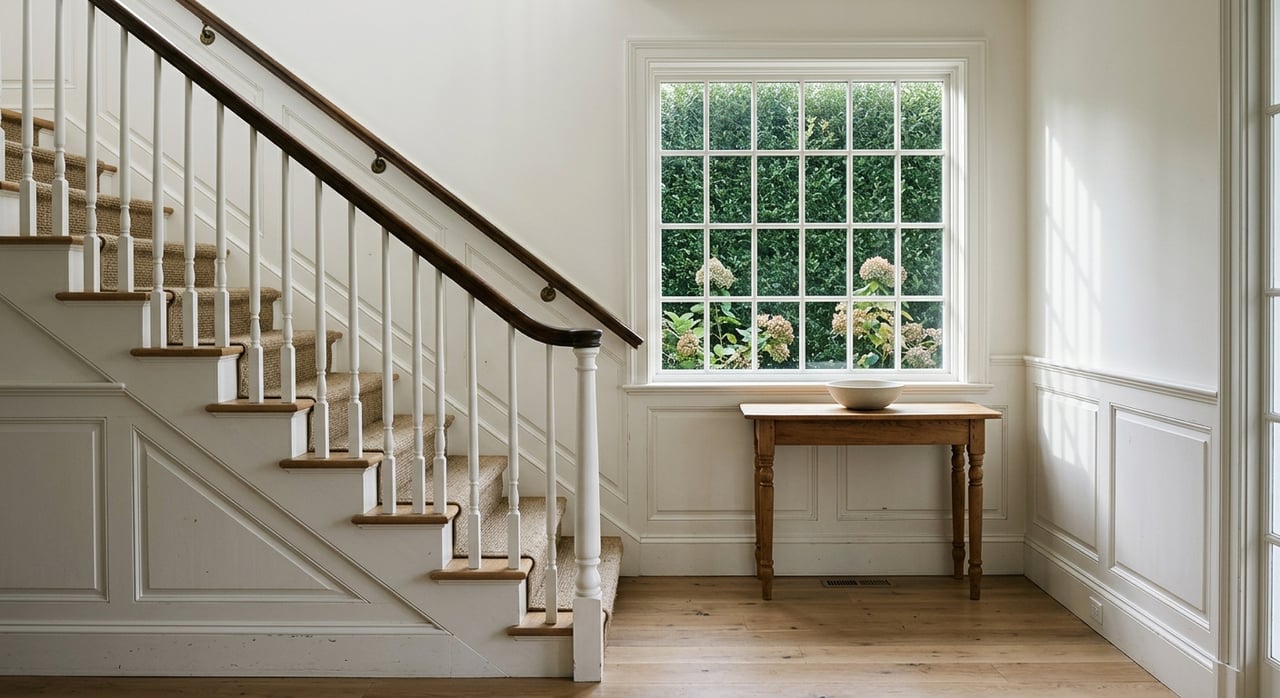
- Highlighting original millwork, fireplaces, staircases, or period details
The goal is not to make an older home look generic. The goal is to help buyers see the property’s condition, scale, and architectural identity more clearly. In a town where neighborhood character and presentation matter, preserving that identity can be part of the value story.
Check historic district rules early
If the property is in a designated historic area, timing matters. East Greenwich’s Historic District Commission reviews applications for new construction and alterations to existing structures in historic districts and on outlying historic properties. Rhode Island’s preservation agency also states that exterior alterations and new construction in a local historic district zone must be reviewed and approved by the commission.
That means exterior work should be checked before you assume it is a quick pre-sale project. New trim, replacement windows, additions, siding changes, and some exterior repairs may require review. If you start planning early, you can avoid delays and make better decisions about what is worth doing before the home hits the market.
Historic-district status can also affect seller disclosure. Rhode Island seller-disclosure language requires notice to a buyer when a property is located in a historic district and may be subject to construction or renovation limits. That is another reason to verify status at the start rather than late in the process.
Understand lead disclosure for older homes
If the home was built before 1978, lead-based paint rules may apply. In Rhode Island, sellers of one- to four-unit residential dwellings built before 1978 must provide the required educational pamphlet and lead warning statement, disclose known lead-based paint or environmental lead hazards, and allow a 10-day lead inspection period.
The state rule also requires the seller to retain the signed disclosure acknowledgment. Property owners should keep lead certificates and inspection reports as part of the file. If you are selling a long-held family property, gathering these records early can make the process much smoother.
For many legacy homes, this is not a reason to panic. It is simply a reason to prepare. Clear records and timely disclosure help reduce friction and build buyer confidence.
Plan ahead for estate and probate issues
If you are selling an inherited home or handling an estate sale, title and authority issues should be reviewed as early as possible. In Rhode Island, a statutory lien attaches to real estate included in a decedent’s estate. The Division of Taxation says Form T-77 is used to request discharge of that lien, and even estates that are not taxable may need to file paperwork to clear the lien or obtain a probate-court notice of no tax due.
In practical terms, this means a home can look ready for market while the estate side is still not ready for closing. That gap can create delays if it is not addressed upfront. For heirs and personal representatives, early coordination with legal and tax professionals is often essential.
Probate authority can also matter when family members are involved in the sale itself. Rhode Island law authorizes courts to permit executors to sell real estate of a deceased person, and a 2024 Rhode Island Superior Court decision confirmed that a co-executor’s sale to himself required probate-court approval to avoid self-dealing concerns. Even if everyone in the family agrees, court authority may still be required.
Build closing costs into the strategy
For higher-value East Greenwich homes, the closing plan should include Rhode Island’s real estate conveyance tax from the beginning. According to the Rhode Island Division of Taxation, this tax is generally paid by the seller at recording unless the parties agree otherwise. The rate is $2.30 per $500 of consideration, with an additional $2.30 per $500 on residential consideration above $800,000.
That can materially affect net proceeds on a legacy property, especially if the home is expected to sell at a premium. Instead of treating this as a late-stage surprise, it should be part of the early pricing and net-sheet discussion. That gives you a more realistic view of your options from day one.
Tell the home’s story the right way
Legacy homes often earn attention because they feel different from newer inventory. The right marketing should respect that difference while staying grounded in facts, condition, and current buyer expectations. Buyers in East Greenwich are often evaluating not just size, but also craftsmanship, layout, lot setting, and how the home fits into the town’s character.
That is why presentation matters. Strong photography, polished staging or editing, and a measured property narrative can help buyers understand what makes the home special. Instead of overselling, the best approach is to show the property clearly and frame its history, updates, and setting in a way that feels credible and refined.
For some sellers, discretion also matters. A tailored strategy can help you decide whether broad exposure, a more curated rollout, or a private-sale path makes the most sense based on the property, timeline, and family goals.
A smart sale starts before listing day
The strongest legacy-home sales usually begin well before the sign goes up. That prep period is where you can confirm historic-district status, gather lead and estate documents, assess repairs, and create a pricing strategy tied to the most relevant comparables. It is also where you can decide what to improve and what to preserve.
In East Greenwich, that kind of planning is especially important because the town’s older housing stock, historic context, and active market all reward a more thoughtful approach. When you diagnose the property early and solve problems before buyers see them, you put yourself in a much stronger position.
If you are preparing to sell a legacy or estate property in East Greenwich, working with an advisor who can balance presentation, process, and transaction complexity can make the experience far more manageable. To talk through your options with a discreet, strategic approach, connect with Michael Sweeney.
FAQs
What makes selling a legacy home in East Greenwich different from a standard home sale?
- A legacy home may involve historic-district review, older-home disclosures, estate coordination, and pricing issues that go beyond a typical sale.
Should you renovate a legacy home in East Greenwich before listing it?
- Not automatically. Targeted repairs and presentation are often more effective than a full remodel, especially when historic review or preservation concerns may apply.
What should you know about historic district rules for an East Greenwich home sale?
- If the property is in a local historic district, exterior alterations and new construction may require review and approval by the Historic District Commission, and historic-district status must be disclosed to buyers.
What lead paint rules apply when selling an older home in Rhode Island?
- For one- to four-unit residential homes built before 1978, sellers must provide required lead disclosures, allow a 10-day inspection period, and retain the signed acknowledgment.
Can you sell an inherited home in Rhode Island before probate is fully resolved?
- Sometimes, but the estate’s authority, tax filings, lien discharge process, and any required probate approvals need to be verified before closing.
What closing tax should East Greenwich sellers budget for?
- Rhode Island generally charges a real estate conveyance tax paid by the seller at recording, at $2.30 per $500 of consideration, plus an additional $2.30 per $500 on residential value above $800,000.
How should you price a legacy home in East Greenwich?
- The best approach is to price against the narrowest relevant comp set based on location, condition, architectural style, lot setting, and buyer appeal rather than relying on a town-wide median alone.