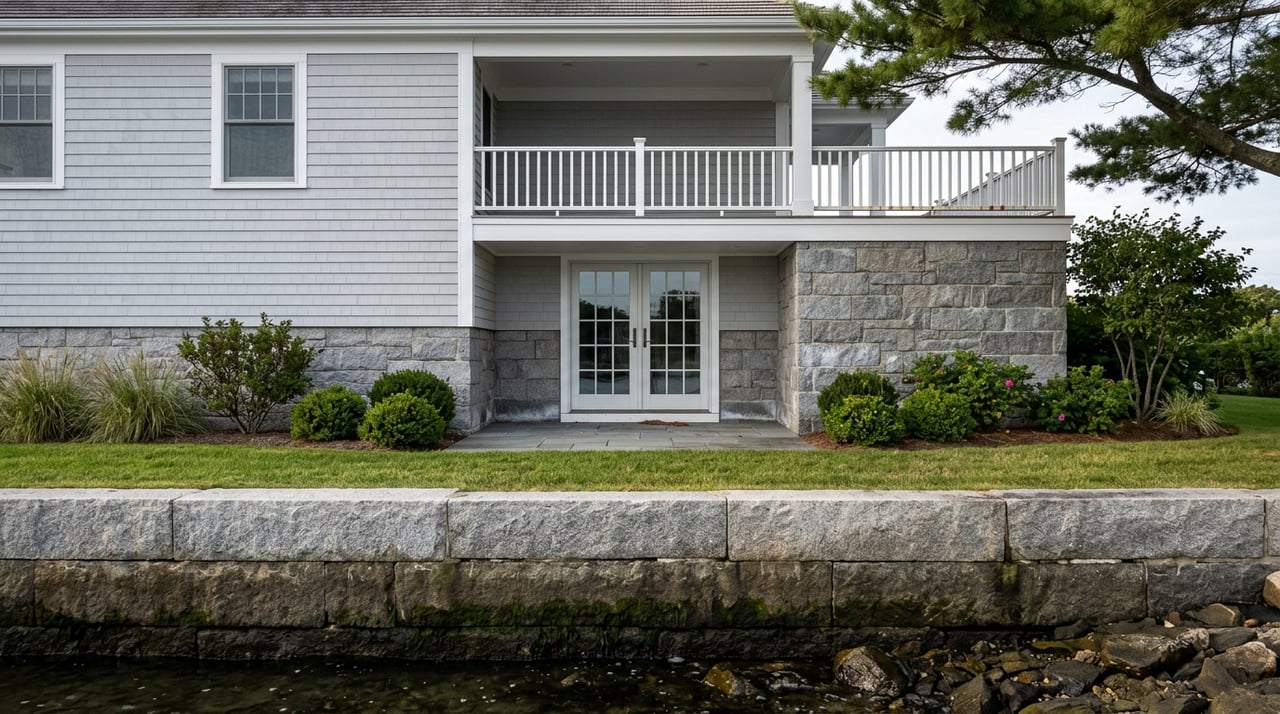
Choosing between Newport waterfront and historic in-town living is not just about style. It is really about how you want to use the property day to day, season to season, and year to year. If you are weighing privacy, scenery, and retreat value against walkability, convenience, and easier year-round living, this guide will help you compare the trade-offs clearly. Let’s dive in.
Two Newport lifestyles
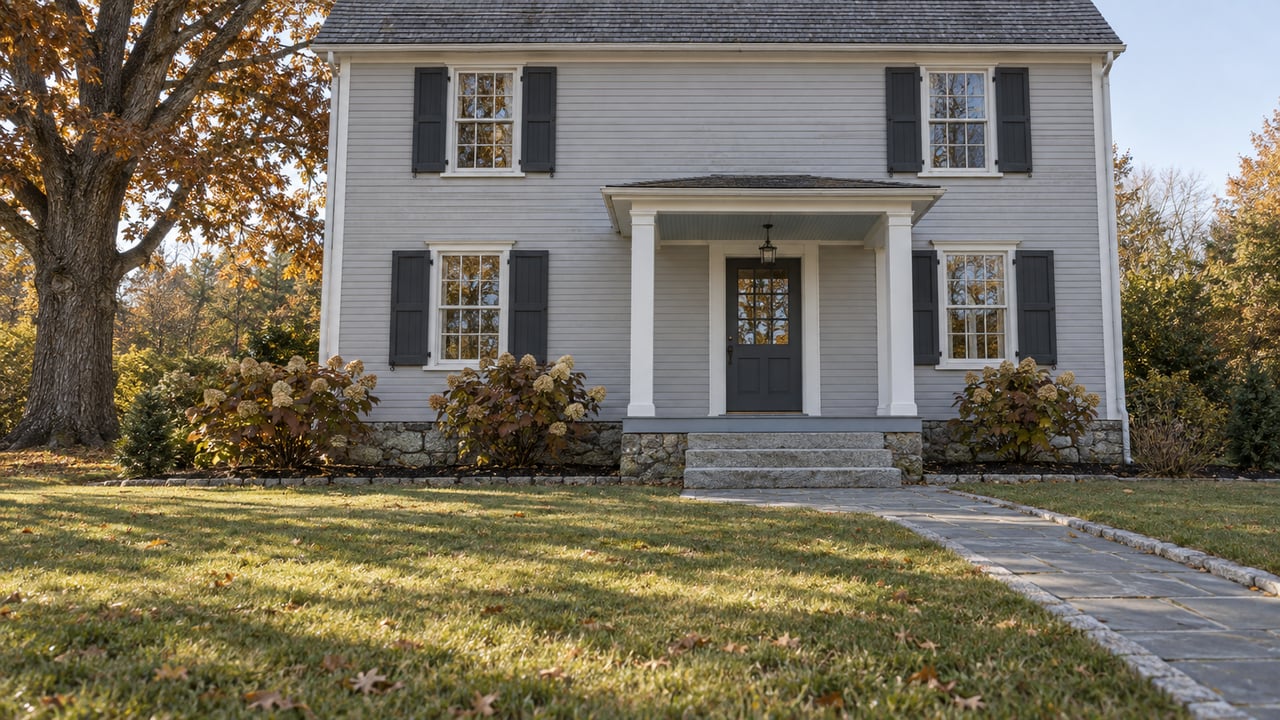
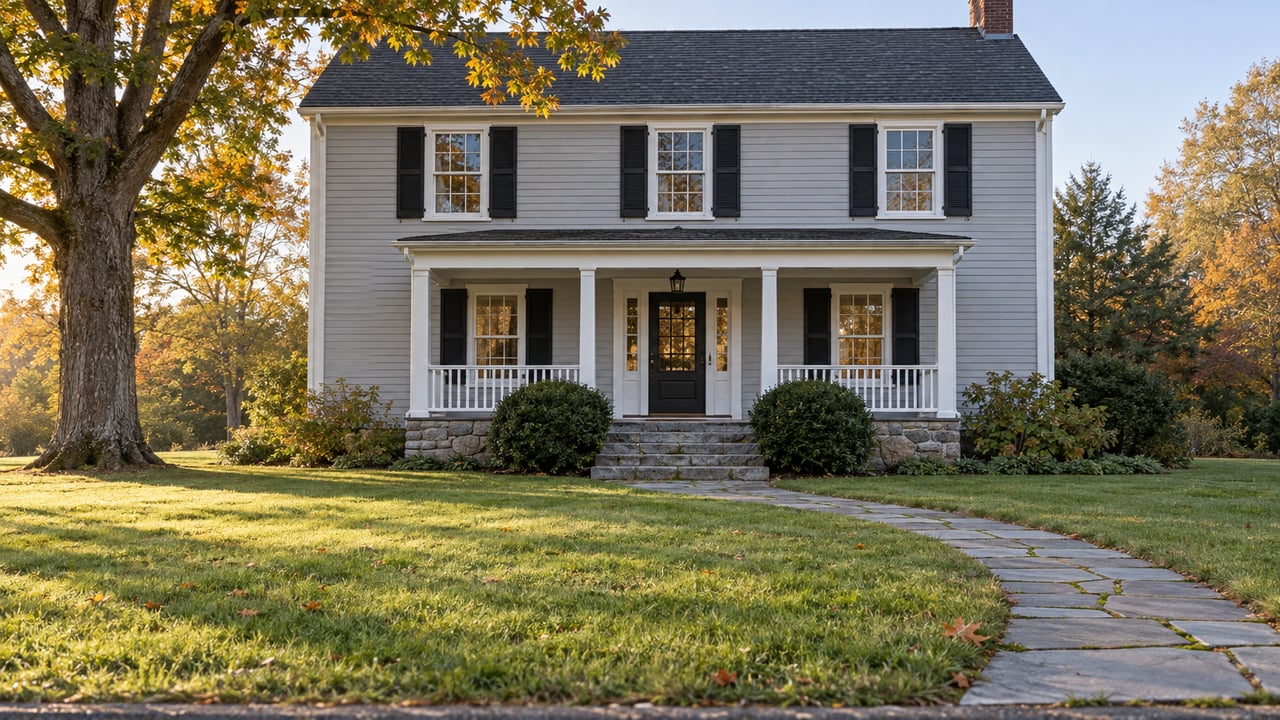
In Newport, waterfront and in-town homes often serve very different goals. According to the city’s planning documents, Historic Hill is a central, dense, highly desirable neighborhood next to Downtown, while Downtown itself blends historic homes with walkable retail, restaurants, civic uses, hotels, and marine-oriented business. By contrast, Ocean Drive is defined by mostly multi-acre residential and open-space land along the shoreline, bordered by the Atlantic and Narragansett Bay.
That difference matters because the right choice usually depends on intended use. If you want a property that feels integrated into daily Newport life, the in-town core often fits better. If you want a private coastal escape with more land and a retreat-like setting, waterfront areas such as Ocean Drive often rise to the top. Much of this local context comes directly from Newport’s housing chapter.
Price differences by location
The price spread between these options is meaningful, and it is one of the clearest starting points for your decision. Current Zillow benchmarks place Newport’s average home value at $938,854, compared with about $1.37M in Historic Hill, $1.21M in The Point, and $2.51M in Ocean Drive. That means Ocean Drive is roughly double Historic Hill and far above the citywide baseline, based on Zillow home value data for Newport.
This is why micro-location matters. A buyer who wants water proximity without stepping all the way into estate-style shoreline pricing may find The Point especially relevant. It sits along Narragansett Bay just north of Long Wharf and Downtown, and its value profile is closer to Historic Hill than Ocean Drive.
Newport’s broader housing inventory also shapes pricing pressure. The city says 19% of housing units are not available for year-round occupancy, largely because they are vacation homes or short-term rentals, and sale inventory is limited. In a constrained market like this, paying more for the location that best matches your use case can be more strategic than stretching for a property that looks impressive on paper but works less well in practice.
Walkability versus privacy
For many buyers, the real question is not waterfront versus historic. It is walkability versus privacy.
Historic in-town advantages
Historic Hill and the Downtown core offer convenience that is hard to replicate elsewhere in Newport. The city describes these areas as central, dense, and shaped by retail, restaurants, civic uses, public open spaces, and year-round activity. If you want to be closer to dining, shops, services, and the social rhythm of the city, in-town ownership can make everyday life simpler.
This can be especially appealing if you plan to use the home as a primary residence or frequent second home. You may find that being able to move through Newport on foot changes how often and how easily you enjoy the property. For many buyers, that convenience creates value beyond square footage or lot size.
Waterfront advantages
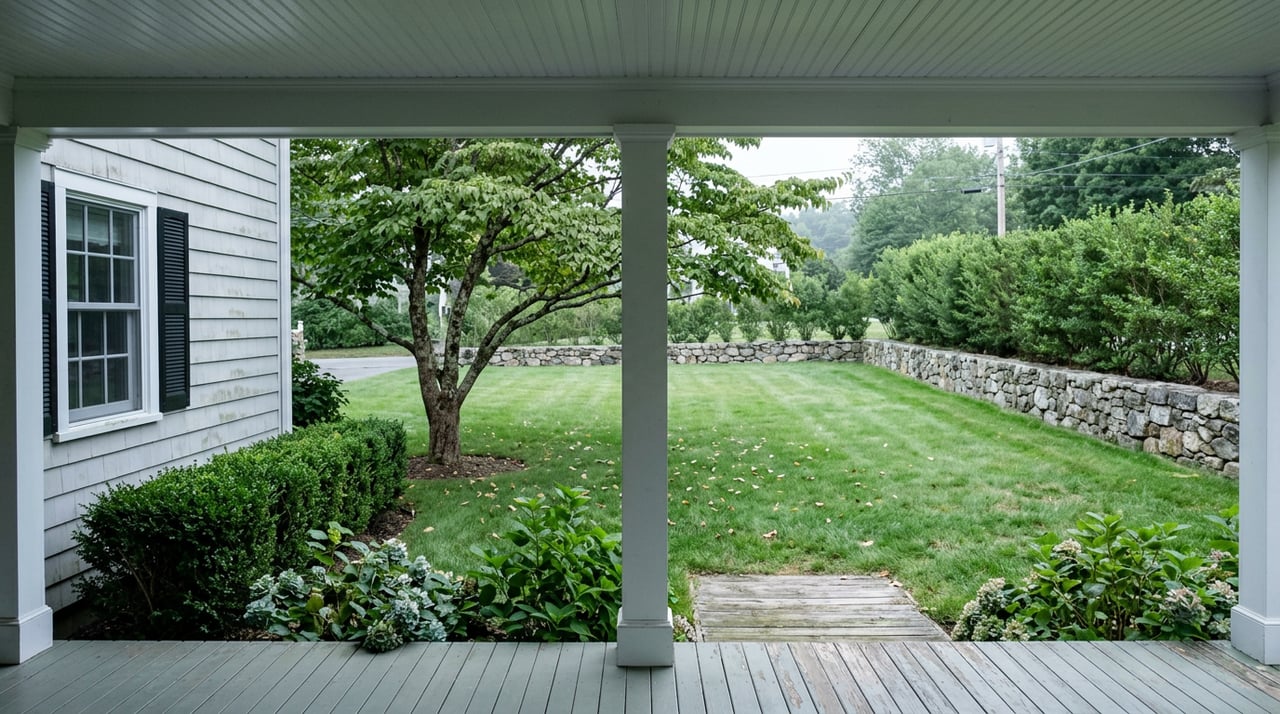
Ocean Drive offers a very different experience. Newport’s planning documents describe it as an area of mostly multi-acre residential and open-space uses, with a more remote character. In practical terms, that can mean more seclusion, larger lots, broader views, and a stronger sense of retreat.
If your goal is privacy, scenery, and a home that feels removed from the pace of town, waterfront can be compelling. This is often the better fit for buyers seeking a second home or seasonal property where the setting itself is a major part of the purchase decision.
What summer feels like
Seasonality matters in Newport, especially if you plan to be here during peak visitor months. In-town areas can feel energetic and highly social, but that comes with trade-offs. The city notes that Lower Thames can experience long vehicle lines on busy summer days, that sidewalk parking is common on some streets, and that pedestrian conditions can suffer during heavy activity periods.
For some buyers, that liveliness is part of Newport’s appeal. Being close to restaurants, shops, landmarks, and tourist-oriented activity may be exactly what you want from an in-town address. For others, especially if quiet access and easier circulation matter more, a more removed location may feel like a better long-term fit.
Ownership issues to weigh
Price and lifestyle are only part of the decision. In Newport, ownership costs and approvals can shape the experience just as much as the location itself.
Flood and storm exposure
For true waterfront property, flood and storm exposure deserve close attention. Newport’s hazard mitigation plan states that coastal flooding is driven by storm surge and wind-driven waves from hurricanes, tropical storms, nor’easters, and other major coastal storms. It also identifies the Newport Harbor waterfront, Washington and Thames Streets, and Goat Island as developed floodplain hazards, and notes that properties in FEMA VE and A/AE zones require mandatory flood insurance, according to the city’s hazard mitigation plan.
That does not mean waterfront ownership is the wrong choice. It does mean you should evaluate carrying costs with care before you buy. Insurance, resilience planning, and your tolerance for coastal exposure should all be part of the decision, especially if the property is meant to be a long-term hold.
Historic district review
Historic homes come with a different kind of complexity. A large share of Newport falls within the Local Historic District, and the city’s preservation guide states that exterior alterations and new construction in the district must be reviewed and approved by the Historic District Commission or staff. The same guide also clarifies that the process applies to proposed changes, not to forcing owners to make changes they are not planning.
For many buyers, this is not a dealbreaker. It is a planning consideration. If you value architectural character and understand that exterior projects may require review, the process can be manageable with the right expectations. You can read more in Newport’s historic preservation design guidelines.
Coastal review on Ocean Drive
Some waterfront locations may face another layer of oversight. Newport’s land-use plan says the Ocean Drive district is subject to Critical Area Review to protect natural, scenic, historical, and economic qualities, including vegetation, erosion, water quality, habitat, and scenic quality. For buyers considering major changes or redevelopment potential, this can affect timing and feasibility.
In other words, a dramatic shoreline setting may come with more approvals than you expect. Reviewing those constraints early can help you avoid surprises later. The city outlines this in its comprehensive land use plan.
Rental strategy matters
If rental income is part of your thinking, Newport’s rules deserve careful attention. The city defines a short-term rental as less than 30 days, and its materials explain that a guest house is a lodging use for stays of 29 days or less, with the owner or manager on site and a limit of five sleeping rooms in one building. The city also separately regulates non-owner-occupied rental dwellings rented from 30 days to nine months.
Some properties in zones where guest houses are not allowed by right may need a special use permit and must meet off-street parking requirements. Newport’s housing chapter also makes the city’s policy direction clear: it wants to discourage short-term rentals in residential neighborhoods except those that directly support owner-occupancy. For buyers focused on income potential, legal use should be reviewed before assuming a waterfront or in-town home will support a specific rental strategy.
Seasonal demand can exist in both settings, but the appeal differs. Waterfront areas benefit from scenery, state parks, and major annual attractions such as the Folk and Jazz festivals, while Historic Hill and Downtown benefit from walkability to restaurants, shops, landmarks, and visitor activity. The better choice depends on whether you are buying primarily for lifestyle, occasional income, or a blend of both.
A simple way to decide
If you feel torn, start by answering one question: How will you use the property most often? That answer usually points you in the right direction.
Choose historic in-town if you want:
- Easier year-round living
- Walkability to shops, restaurants, and services
- Lower pricing than prime waterfront locations
- A home that feels connected to Newport’s daily rhythm
- More convenience for frequent, shorter stays
Choose waterfront if you want:
- Greater privacy and seclusion
- Larger lots and a retreat-like setting
- Strong visual and lifestyle value from the shoreline
- A second home experience centered on scenery and space
- A property where destination appeal is the priority
If you want something in between, neighborhoods such as The Point can offer a useful middle ground. You may get water proximity and historic character without committing to the full cost structure and ownership trade-offs of premier shoreline property.
The right fit is about use
In Newport, the best choice is rarely the one that sounds most impressive in conversation. It is usually the one that aligns with your actual lifestyle, budget, carrying-cost comfort, and long-term plans. Waterfront tends to win on privacy, scenery, and retreat value, while historic in-town tends to win on convenience, walkability, and easier everyday living.
If you want help comparing Newport options with a clear, property-by-property lens, Michael Sweeney can help you evaluate fit, trade-offs, and timing with the discretion and market perspective that coastal purchases require.
FAQs
How much more does Newport waterfront cost than historic in-town?
- Based on current Zillow benchmarks cited above, Ocean Drive is about $2.51M compared with $1.37M in Historic Hill, so prime waterfront is roughly 2x the historic in-town benchmark.
Do Newport waterfront homes require flood insurance?
- Newport’s hazard mitigation plan says properties in FEMA VE and A/AE zones require mandatory flood insurance, so some waterfront and flood-prone properties may carry that added cost.
Do historic homes in Newport require approval for changes?
- In much of Newport’s Local Historic District, exterior alterations and new construction must be reviewed and approved by the Historic District Commission or staff, but the city says owners are not required to make changes unless they propose them.
Can you use a Newport home as a short-term rental?
- Possibly, but Newport regulates rentals closely, and some uses may require a special use permit, owner or manager presence, and off-street parking depending on the property and zoning.
Is Newport in-town or waterfront better for year-round living?
- For many buyers, in-town areas such as Historic Hill are more practical for year-round living because they offer a more central, walkable setting with easier access to daily services and activity.