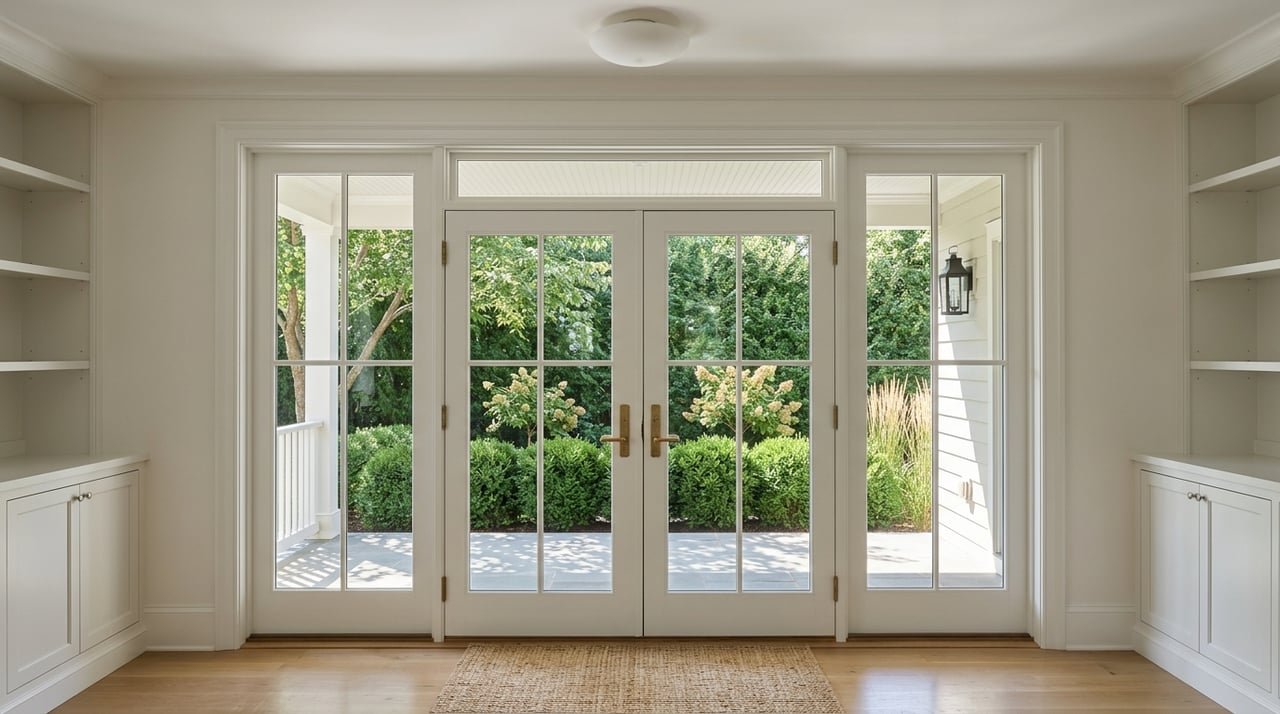
If you're preparing to sell a luxury home in Newport, it is easy to assume the market will do most of the work for you. But even in a premium coastal market, buyers are selective, and your results still depend on smart preparation, pricing discipline, and a polished launch. The good news is that with the right plan, you can reduce friction, protect value, and present your property at its strongest from day one. Let’s dive in.
Newport sellers still need a strategy
Newport remains a high-value market, but current data point to a more competitive environment than many sellers expect. According to Realtor.com’s Newport market data, the median listing price was $1.195M in March 2026, with 88 active listings, 44 median days on market, and a 98% sale-to-list ratio. The same source described Newport as a buyer’s market in February 2026.
That does not mean luxury homes are underperforming. It means buyers have options, and they are comparing condition, location details, and presentation very carefully. Redfin’s February 2026 Newport figures, as summarized in the research provided, showed a median sale price of $1.075M, 40 median days on market, and a 99.8% sale-to-list ratio, with 42.9% of homes selling above list price.
For you as a seller, the takeaway is simple: premium price points still require premium execution. A strong launch can help you attract serious buyers early and avoid unnecessary price adjustments later.
Start with inspection and disclosure
Before you think about photography, staging, or launch dates, focus on the home itself. The National Association of Realtors consumer guide on preparing to sell explains that a pre-sale inspection is not required, but it can uncover issues in the roof, structure, plumbing, electrical systems, HVAC, insulation, interiors, and more.
That matters because a pre-sale inspection gives you time. If something needs attention, you can address it before the home is priced and marketed, rather than reacting under pressure once a buyer is already involved.
In Rhode Island, sellers must provide a written disclosure of known deficient conditions before an agreement is signed. Under Rhode Island law, that disclosure can involve issues especially relevant to Newport homes, including roof defects, basement seepage, moisture penetration, mold, flood plain status, easements, encroachments, wetlands, historic district status, private well or septic history, and lead paint for homes built before 1978.
What to gather before listing
To stay organized, it helps to assemble your records early. That often includes:
- Prior inspection reports
- Repair invoices and contractor receipts
- Roof, HVAC, or appliance warranties
- Permit history for renovations
- Flood insurance or elevation-related documents, if applicable
- Information on easements, encroachments, or boundary matters
- Lead paint documentation for pre-1978 homes
If a major issue comes up and you do not plan to repair it before listing, NAR advises estimating the repair cost anyway. That can help shape a clear strategy around repairs, credits, or pricing adjustments.
Newport homes need local due diligence
Luxury homes in Newport often come with added layers of complexity. Coastal exposure, flood considerations, and historic-district review can all affect what you should fix, how you market the property, and what buyers may ask during due diligence.
The Rhode Island Coastal Property Guide notes that coastal properties face distinct hazards, including flooding, erosion, storm events, and sea-level rise. It also explains that the Rhode Island Coastal Resources Management Council has jurisdiction within 200 feet of any coastal feature, and that FEMA flood maps play an important role in insurance and development requirements.
For a Newport seller, this means you should confirm key site facts before going live. If your home is near the shoreline or within a flood-related area, buyers may look closely at insurance implications, drainage, site stability, and any prior coastal approvals.
Historic district rules can affect repairs
If your property is in one of Newport’s historic districts, exterior work may be more restricted than you expect. According to the City of Newport Historic District Commission window and door policy, historic windows and doors should generally be repaired rather than replaced whenever possible.
The same guidance states that fiberglass or vinyl windows are not acceptable in the historic district, and certain front door materials are also not acceptable. The city’s policy also indicates that new decks on contributing historic structures are generally not considered appropriate, and roof decks are not considered appropriate without historical basis.
This is one reason pre-list planning matters so much in Newport. A repair that seems straightforward in another market may require a different approach here, especially if the goal is to preserve value without creating approval issues.
Prioritize repairs that build confidence
When you are deciding what to address before listing, start with issues that affect buyer trust and inspection results. In Newport, that often means focusing first on items tied to weather exposure, moisture, safety, and exterior condition.
A practical repair priority list may include:
- Roof condition and visible wear
- Drainage and water management
- Moisture intrusion or basement seepage
- Window and door condition
- Deck safety and railing stability
- Flood-related or site-related concerns
- Any exterior work that may require coastal or historic review
These items matter because they can influence both perception and negotiation. Buyers at the luxury level tend to notice deferred maintenance quickly, and they often connect visible condition issues with broader ownership risk.
Staging should happen before photos
Presentation is not an extra in the luxury market. It is part of the value story. NAR defines staging as cleaning and temporarily furnishing a home so buyers can better picture themselves living there, and the 2023 Profile of Home Staging shows why that matters.
In that report, 81% of buyer’s agents said staging made it easier for buyers to visualize the property as a future home. Another 40% said buyers were more willing to walk through a home they saw online, and 34% said staging would positively affect value if the home was decorated to the buyer’s taste.
NAR has also reported that some buyer’s agents believe staging can raise sale price, with perceived gains ranging from 1% to 5% and, in some cases, more. While results vary by property and market, the message is consistent: buyers respond to homes that feel ready, cohesive, and well presented.
What luxury buyers notice online
NAR also notes that staging should be completed before photography because the first showing is often the online showing. For a Newport luxury listing, that means every visual detail should support the home’s positioning before it hits the market.
Buyers in this segment are often responding to more than square footage. They may be evaluating light, privacy, outdoor living, proximity to the water, gardens, terraces, architectural character, and the way rooms connect visually from one space to the next.
Before photography, make sure these elements are ready:
- Main living spaces with clean sightlines
- Primary suite and bath presentation
- Outdoor entertaining areas
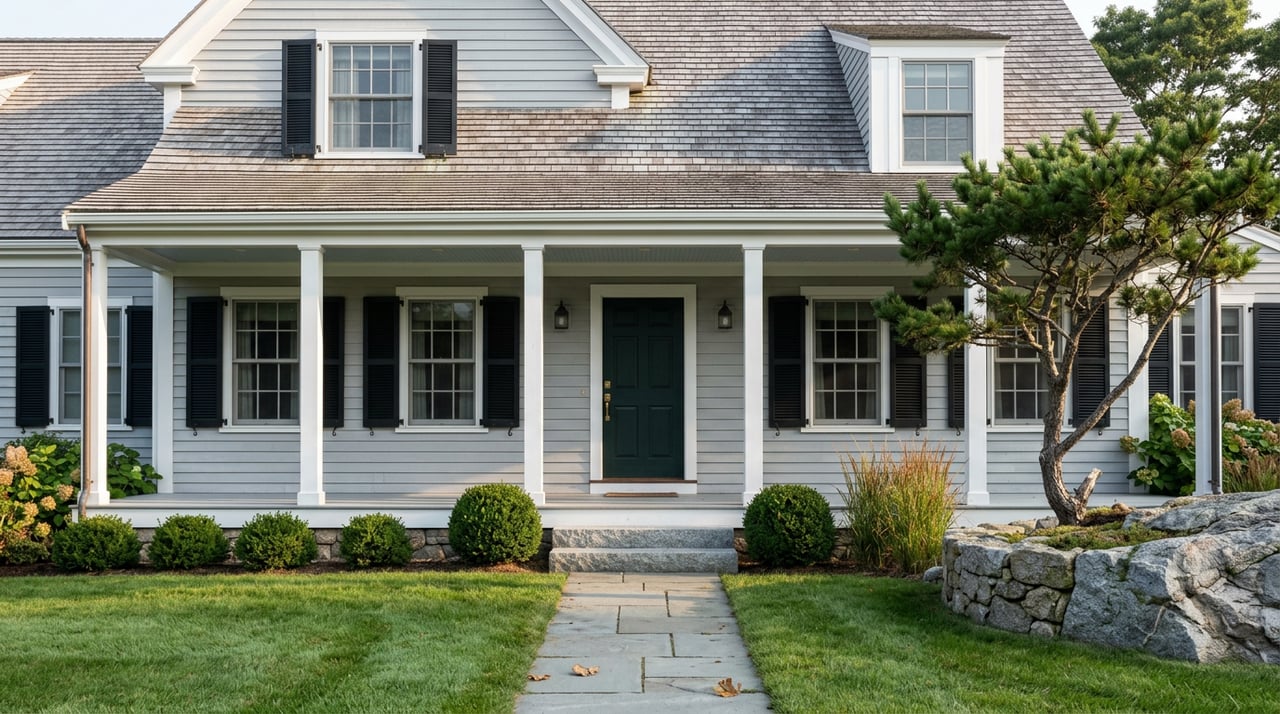
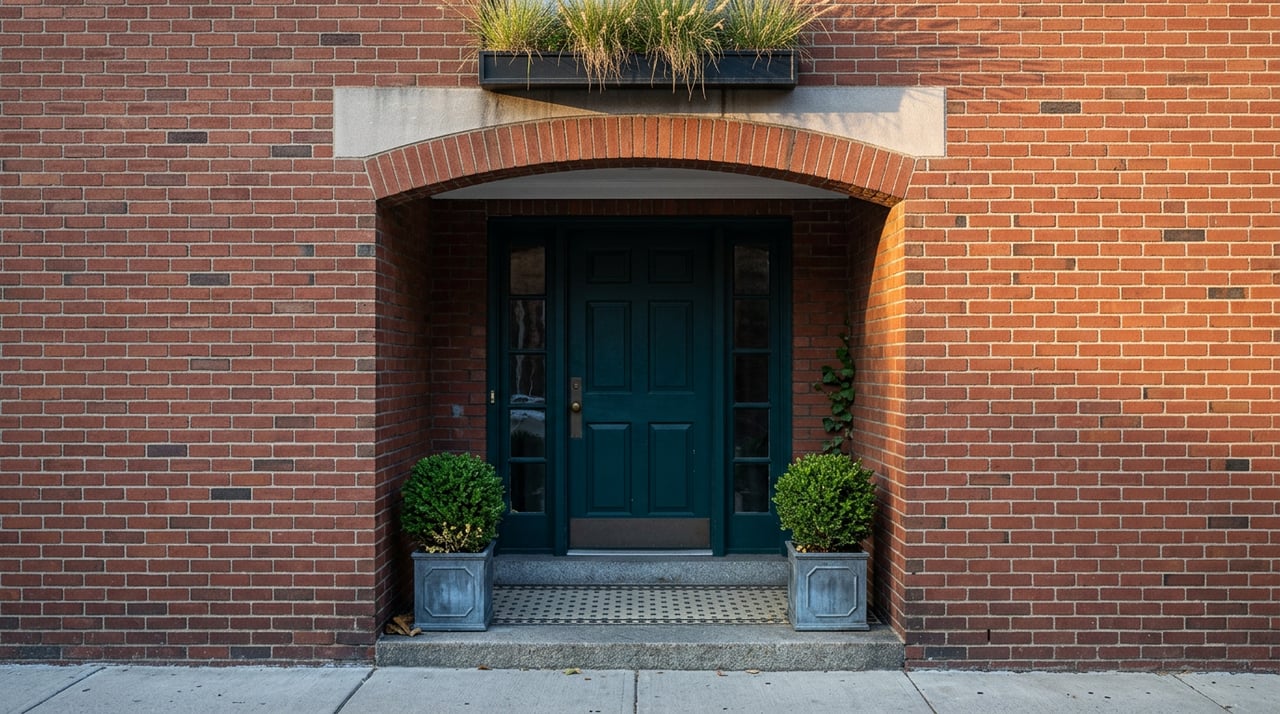
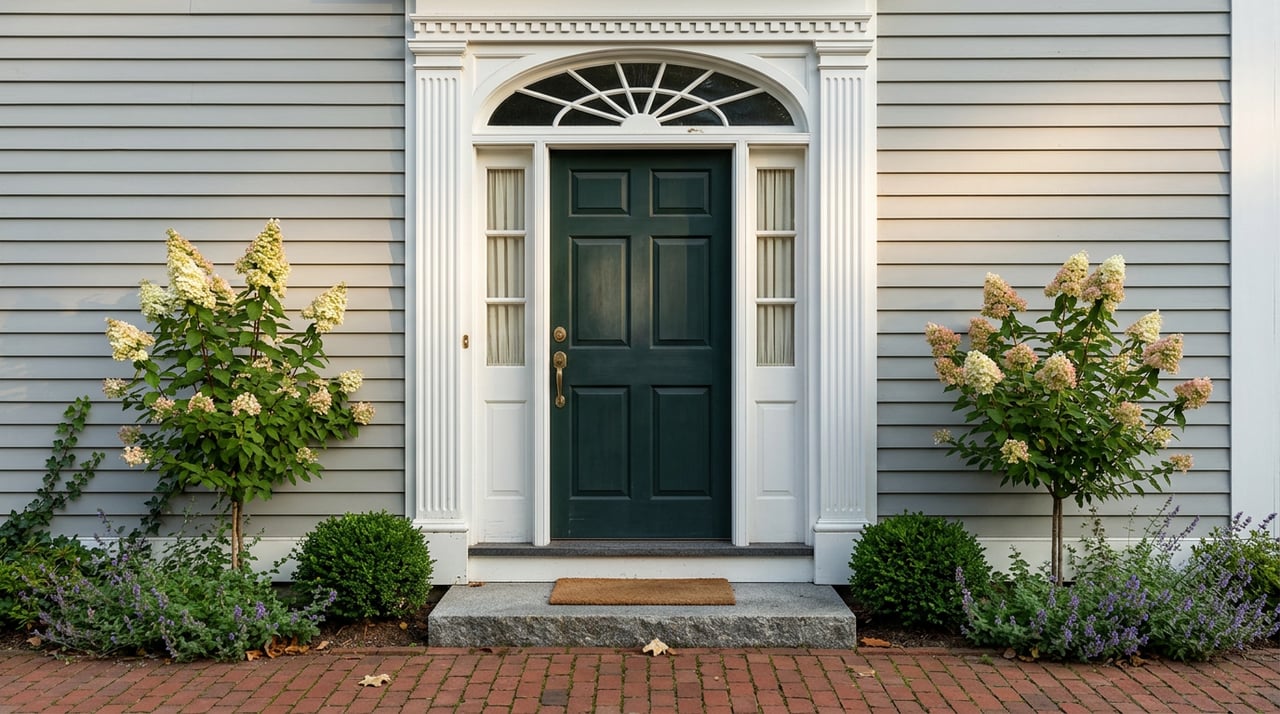
- Entry sequence and curb appeal
- Landscaping and seasonal cleanup
- Water-view or coastal-context angles, where relevant
- Minimal visual clutter inside and out
Timing your Newport launch
A good listing can miss its moment if timing is off. According to Realtor.com’s 2026 Best Time to Sell report, the week of April 12 to 18, 2026 was identified as the best week nationally to list a home, and the Providence-Warwick metro area was also flagged for the week of April 12.
That does not mean every Newport luxury home should launch in mid-April. But it does support a broader planning principle: if you want to hit the market in spring, you need to begin your preparation well in advance.
The same timing logic is especially useful in a coastal market. Since the Atlantic hurricane season runs from June 1 through November 30, spring can offer more flexibility for exterior improvements, landscape cleanup, and photography before summer storm patterns become a factor.
A simple pre-list plan for Newport
If you want a clean, lower-stress path to market, follow a sequence that keeps decisions organized.
Step 1: Inspect early
Order a pre-sale inspection and review any known issues before deciding on pricing or marketing. This gives you time to repair, document, or budget for credits.
Step 2: Organize disclosure materials
Gather permits, warranties, contractor receipts, and any flood, site, or historic-related records. This helps reduce surprises once buyers begin asking detailed questions.
Step 3: Review coastal or historic factors
If your home is near a coastal feature or within a historic district, confirm whether any recent or planned exterior work raises approval questions. It is better to clarify this before the property goes live.
Step 4: Tackle confidence-building repairs
Address visible maintenance items and anything likely to come up during inspection. Focus on roof, drainage, moisture, windows, doors, and safety-related issues first.
Step 5: Stage and photograph professionally
Prepare the home for online presentation before launch. In luxury real estate, your digital debut shapes both traffic and perceived value.
Step 6: Time the launch intentionally
Work backward from your ideal market date so preparation does not feel rushed. A well-timed launch is usually the result of planning, not luck.
Selling a luxury home in Newport is not just about entering the market. It is about entering the market in the right condition, with the right documentation, and with a presentation that supports your asking price. If you want a discreet, hands-on strategy for timing, preparation, and marketing, Michael Sweeney can help you build a launch plan that fits your property and your goals.
FAQs
What is the first step when preparing to list a luxury home in Newport?
- Start with a pre-sale inspection, then gather disclosures, repair records, permits, and any flood or historic-district information before staging and photography.
What repairs matter most before listing a Newport coastal home?
- Roof issues, drainage problems, moisture intrusion, window and door condition, deck safety, and flood-related or site-related concerns are often the highest-priority items.
What should sellers know about historic district rules in Newport?
- Exterior changes may be restricted, and some materials or replacements may not be acceptable, so it is wise to review historic-district guidance before completing visible exterior work.
How important is staging for a Newport luxury listing?
- Staging can help buyers picture the home more easily, improve online appeal, and strengthen perceived value, especially when photography is a major part of the launch.
When is the best time to list a home in Newport?
- Current research points to mid-April as a strong launch window in the broader Providence-area market, but the best timing still depends on your home’s condition and readiness.