Dreaming about a coastal escape you can reach in under two hours, yet vibrant enough to feel like a true getaway? Newport delivers a rare mix of historic charm, walkable waterfront, and world‑class events that keep the energy high in summer and the pace relaxed in the off‑season. If you are weighing a second home here, you likely care about lifestyle, ease of access, and the real costs of ownership. In this guide, you will learn what Newport living feels like across the year, how neighborhoods differ, the nuts and bolts of maintenance and insurance near the ocean, and what to know about short‑term rentals and taxes. Let’s dive in.
The Newport rhythm: peak and quiet seasons
Newport runs on a seasonal rhythm. Peak demand arrives late spring through early fall, with the biggest surges around the marquee events and holiday weekends. The Newport Folk and Jazz Festivals, major regattas, and the Newport International Boat Show draw large crowds and drive up hotel and rental demand. You can scan upcoming festivals and event weeks on local calendars like What’s Up Newp’s destination listings.
From late fall through early spring, the city shifts to a quieter pace. Many restaurants and seasonal services reduce hours, and parking gets much easier. If you want a calm weekend retreat, you will love shoulder seasons. If your plan is rental income, the summer calendar will likely anchor your pricing and occupancy.
Neighborhoods at a glance
Each Newport area offers a different feel and set of tradeoffs for second‑home owners. Here is a quick, neutral snapshot to help you frame your search.
Bellevue Avenue and the Mansion District
You will find iconic Gilded‑Age architecture, leafy streets, and proximity to the Cliff Walk and museums. Expect a refined residential vibe with good walking routes, plus easy access to tours and cultural sites. Single‑family homes are common, and street activity is moderate compared with the waterfront core.
Downtown, Thames Street, and the Wharves
This is the most tourist‑oriented zone, with restaurants, bars, shops, and active harbor views. It shines if you want a lively, walkable base steps from the water. Summer foot traffic and nightlife are part of the experience, so weigh sound management and parking carefully.
Historic Hill and Easton’s Point
These areas blend older housing stock with a neighborly, residential feel. You can often walk to downtown while enjoying quieter side streets. If you want balance between access and day‑to‑day ease, this mix can be appealing.
Ocean Drive, Cliff Walk, and Brenton Point
Here, the coastline takes center stage. Views are dramatic, and conditions can be more exposed and windy. Properties in some spots face higher erosion or flood risk due to ocean proximity, so due diligence on elevation and shoreline conditions is essential.
Goat Island and the harbor fringe
These are unique parcels near marina activity and the center of the harbor. Access, parking, and a more transient feel in certain pockets are practical considerations. Location can be very convenient for boating and events.
Getting here and getting around
Travel is a major part of second‑home enjoyment. Newport sits about 70 miles from Boston, which is roughly a 90‑minute drive in normal traffic, and about 175 miles from New York City, roughly a 3‑hour drive, according to Discover Newport’s travel overview. In summer, a seasonal Providence–Newport ferry partners with Amtrak to create flexible train‑to‑boat options; see the Amtrak and Seastreak ferry partnership announcement for context.
Parking and local permits matter, especially downtown. Newport outlines trash, parking, and occupancy expectations in its rental materials. Review the city’s rental‑dwelling registration guidance for a feel of how sticker parking and notices operate.
What ownership really looks like
Coastal maintenance you should plan for
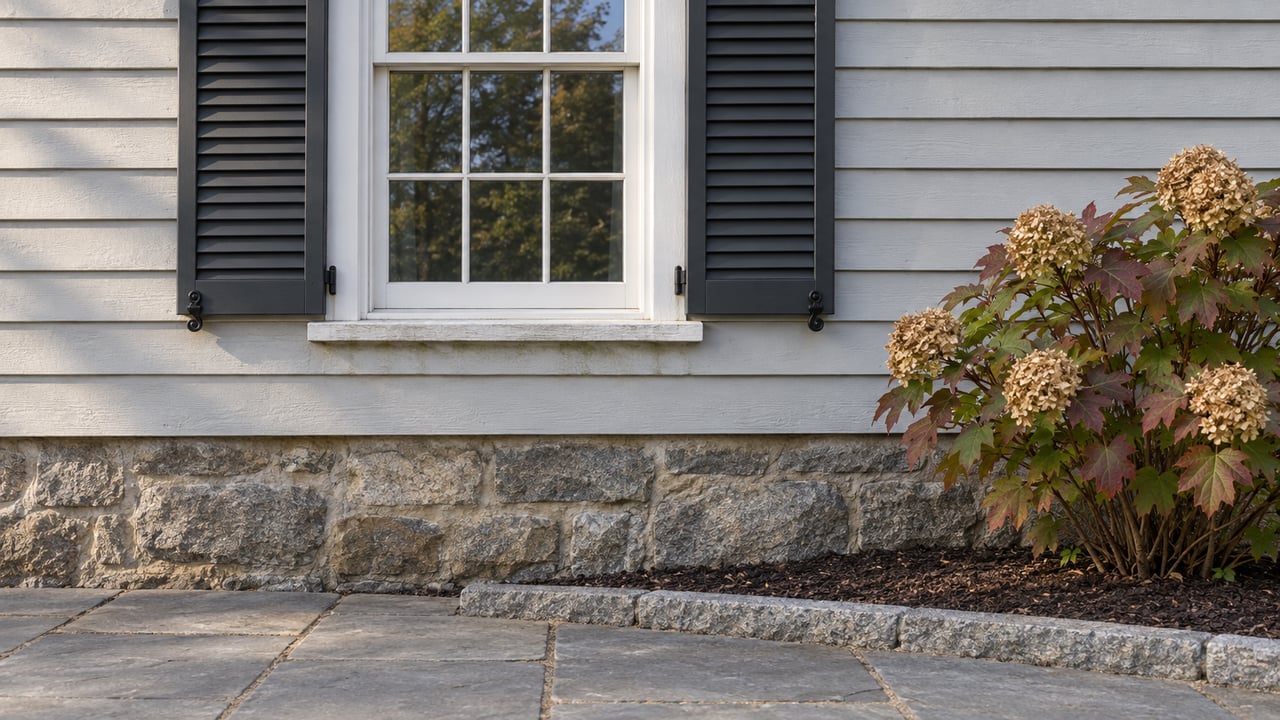
Salt air, winter storms, and freeze–thaw cycles accelerate wear on metal, paint, and wood. Many owners choose stainless fasteners and corrosion‑resistant hardware, repaint and caulk exteriors more often, and schedule routine HVAC servicing and dehumidification. If your home will sit vacant for stretches or you plan short‑term rentals in the off‑season, winterization is key. A clear checklist, like this winter‑ready guide for rentals and vacant homes, helps you plan.
Budget a healthy maintenance reserve. The exact number varies by age, condition, and exposure of the home, but coastal addresses typically need a higher allowance than inland properties. Ask your agent to help you estimate a range based on property type and location.
Insurance and flood risk near the water
Parts of Newport sit within FEMA Special Flood Hazard Areas. If a property is in an SFHA and you use a mortgage, a lender will often require flood insurance. Both NFIP and private flood markets can be options, with premiums tied to elevation, construction, and location. The city’s hazard‑mitigation planning confirms mapped flood risk and active shoreline management work; review the Natural Hazard Mitigation Plan for background. For any address, verify FEMA flood maps, check whether an elevation certificate exists, and get quotes early in your due diligence.
Utilities and services in the off‑season
Trash pickup, snow removal, and some service levels can shift in winter. If your home will be vacant for long stretches, line up snow removal and an emergency contact. City rental materials also outline owner responsibilities to notify occupants about trash schedules, parking rules, and snow expectations, which is useful even if you do not plan to rent.
Local contacts and property oversight
Many second‑home owners rely on a local point person for housekeeping, routine checks, and winterization. Newport’s rental registration also asks for a local contact in certain nonresident scenarios. Plan ahead so that someone can respond if a storm or freeze event occurs.
If you plan to rent your second home
Registration and inspections in Newport
Newport requires registration for non‑owner‑occupied short‑term rentals and includes inspection and annual renewal fees. The city warns about fines for unregistered rentals and provides notices about noise, trash, parking, and occupancy. Start with the city’s rental‑dwelling registration form and guidance to understand current requirements.
State taxes that impact your net income
Rhode Island treats short stays as taxable. Stays under 31 days trigger state sales tax, and hotel taxes can apply based on whether you rent a whole home or a room. The state also treats many hosting platforms as marketplace facilitators that collect and remit on your behalf. See the Rhode Island Division of Taxation’s sales and hotel tax regulation for the structure, definitions, and examples. These taxes affect how you price, how you quote guests, and what you keep after fees.
When demand and nightly rates peak
Short‑term rental demand in Newport concentrates from late spring through early fall. Event weeks like the Folk and Jazz Festivals, holiday weekends, and the Newport International Boat Show see the strongest pricing power. The winter months deliver lower occupancy and rates, so plan for seasonal revenue. For date planning, monitor local calendars such as What’s Up Newp’s event listings.
Market snapshot and buying strategy
Recent aggregator snapshots position Newport among Rhode Island’s higher‑priced markets, with limited inventory and year‑to‑year variability. Market snapshots for February 2026 show a median sale price in the roughly 1.0 to 1.1 million range on Redfin, while Zillow’s home value index tracks in the roughly 800,000 to 950,000 band depending on metric and date. Methodologies differ, so treat these as directional and confirm the latest numbers at the time you buy.
Inventory is naturally constrained by island geography, historic‑district context, and limited developable land, which supports values for well‑located homes. If you plan to finance, note that second‑home loans can carry different down payment and rate requirements than primary residences. In mapped flood zones, lenders often require flood insurance, so factor that into your top‑line budget.
What to budget and what to ask
Use this quick checklist to bring clarity to your numbers and conversations.
Budget checklist
- City registration and inspection fees if you plan to short‑term rent
- State sales and hotel taxes on short stays, plus any platform service fees
- Cleaning, linens, and turnover costs if renting, or periodic deep cleans if not
- Coastal maintenance reserve for paint, caulk, exterior metals, and HVAC service
- Seasonal services such as snow removal and landscaping
- Flood insurance premiums if in a Special Flood Hazard Area
- Parking permits or stickers where applicable
- A contingency for small repairs after large storms or freeze events
Questions to ask your agent
- Is the property in, or near, a mapped FEMA flood zone, and is there an elevation certificate on file?
- What are the neighborhood’s parking rules, and how do guest or sticker policies work?
- How close is the home to event activity, late‑night hotspots, or ferry and harbor traffic?
- Are there any condo or association rules that limit short‑term rentals or exterior work?
- What are typical maintenance intervals for this home’s siding, roofing, and windows near the ocean?
- If I plan to rent a few weeks per year, what local registrations and notices apply to me?
The bottom line
Owning a second home in Newport blends lifestyle and logistics. The payoff is a quick‑to‑reach coastal base with a historic core, world‑class events, and strong summer energy, balanced by a peaceful off‑season. Set clear expectations around maintenance, insurance, parking, and rental rules, and you will enjoy your time more and protect your investment.
If you want help matching your lifestyle goals with the right address and due diligence plan, reach out to Michael Sweeney for a private, no‑pressure consultation.
FAQs
How long does it take to drive from Boston or NYC to a Newport second home?
- Plan about 90 minutes from Boston and about 3 hours from New York City in normal traffic, based on Discover Newport’s travel guidance.
What permits do I need to rent my Newport second home a few weeks per year?
- Newport requires registration and inspections for non‑owner‑occupied short‑term rentals; start with the city’s rental‑dwelling registration guidance.
Will my lender require flood insurance for a Newport property near the water?
- If the home is in a FEMA Special Flood Hazard Area, lenders commonly require flood insurance; check flood maps, seek an elevation certificate, and review the city’s hazard‑mitigation plan.
How often should I plan exterior maintenance because of salt air?
- Expect more frequent exterior paint, caulk, and metal maintenance, plus routine HVAC service and dehumidification; follow a winterization checklist like this vacant‑home guide.
What taxes apply if I offer short‑term stays under 31 days in Rhode Island?
- Short stays are subject to state sales tax and hotel tax rules; hosting platforms often collect and remit as marketplace facilitators per the state’s tax regulation.
When do short‑term rentals in Newport earn the most?
- Late spring through early fall, with premium weeks around the Folk and Jazz Festivals, major regattas, and holiday weekends; check local calendars like What’s Up Newp when planning pricing and stays.