If you love historic streets, walk-to-everything living, and lock-and-leave convenience, Providence’s East Side delivers a luxury condo lifestyle that feels both refined and effortless. You might be downsizing, relocating for work at a nearby hospital or university, or eyeing a pied-à-terre to enjoy the city’s restaurants and culture. In this guide, you’ll learn how the East Side market is organized, what amenities and HOA fees to expect, how financing works for condos, and the due diligence that protects your purchase. Let’s dive in.
What “East Side” Means
When locals say “Providence’s East Side,” they mean the historic, walkable neighborhoods east of downtown within the City of Providence. These include College Hill, Wayland and Wayland Square, Blackstone, Fox Point, and nearby blocks. The area is prized for architecture, proximity to Brown University and RISD, parks like India Point, and a blend of historic conversions and selective new construction. For clarity, the City of East Providence is a separate municipality across the Seekonk River. You’ll see both areas referenced in buyer comparisons, but they are different markets. For a quick neighborhood primer, see Brown’s concise East Side neighborhood guide.
Who Chooses Luxury Condos Here
- Professionals. If you work in medicine, higher education, finance, or law, a condo near College Hill or Wayland Square shortens your commute and keeps dining and culture close.
- Empty nesters and downsizers. You get refined design, less maintenance, and strong walkability without leaving a beloved neighborhood.
- Second-home and pied-à-terre buyers. A polished home base for long weekends, performances, and visits with students or colleagues.
Buyers in these groups often prioritize design quality, location, and services like secure parking or a concierge.
Property Types and Price Context
East Side luxury condos span historic conversions, modern boutique buildings, and a few higher-amenity towers near the river and downtown edge. Pricing varies widely by building, size, finishes, outdoor space, and views. Premium units commonly range from the high $600Ks to $2M or more, with flagship penthouses and large multi-bedroom residences exceeding that in select cases. Always confirm current numbers with live MLS data before you make an offer.
Historic conversions and boutique low-rises
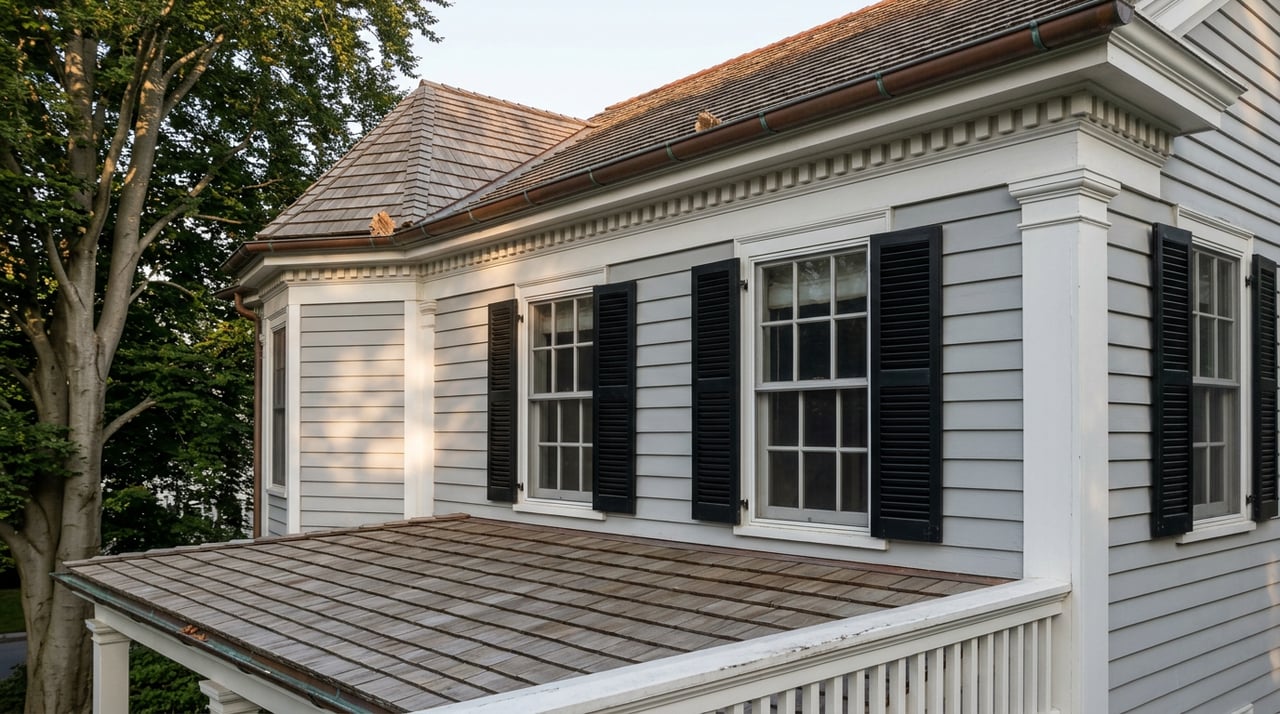
These are 18th to early 20th century homes and row buildings converted to multi-unit condominiums in areas like Benefit Street, Prospect Street, and the Thayer corridor. You’ll find period details, high ceilings, and outstanding walkability. Tradeoffs can include limited parking, older mechanicals, or higher maintenance needs if reserves are thin.
Modern infill and new-build townhomes
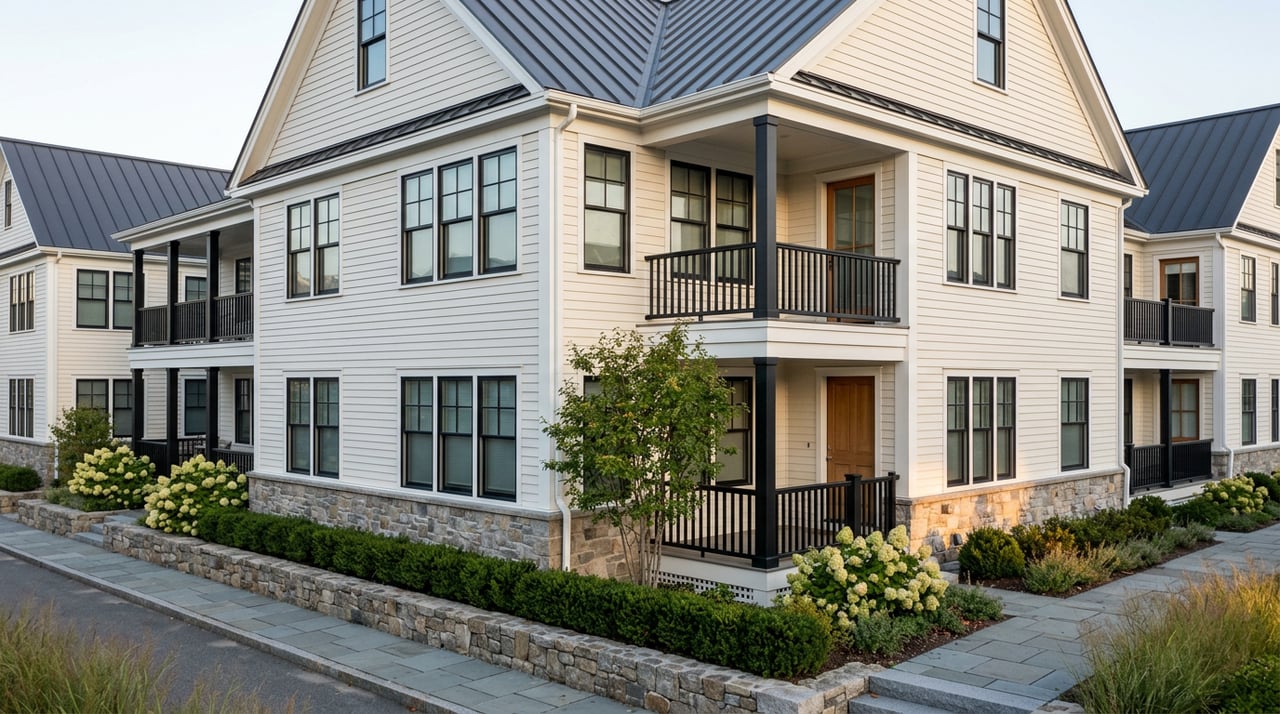
Scattered near Wayland and Blackstone, newer boutique developments offer contemporary finishes, assigned parking, central air, and sometimes EV readiness. Immediate capital needs are often lower due to newer systems. The aesthetic is cleaner and more modern, with less historic character.
Downtown-edge towers and riverfront residences
Buildings at the interface of the East Side and downtown deliver amenities like secure garage parking, concierge services, a fitness center, pool or hot tub, club rooms, and upgraded common spaces. You get turn-key convenience with a higher monthly HOA due to staffing, insurance, and complex systems.
Comparing East Providence options
Across the river, parts of East Providence offer newer waterfront or boutique product, often with larger parking footprints and different municipal taxes and services. Many buyers compare these to Providence’s East Side. You trade immediate East Side walkability and neighborhood prestige for newer construction and easier driving access.
Amenities and Monthly HOA Costs
Luxury buildings on or near the East Side may include:
- Concierge or doorman
- Secure or underground parking and dedicated storage
- Fitness center, pool or hot tub, and club/event rooms
- Elevators and upgraded common areas
- Private terraces or balconies
Monthly HOA fees vary with scale and services. Smaller, self-managed conversions can be in the low hundreds per month, while serviced high-rises can exceed $1,000. Local examples show premium towers with fees in the neighborhood of the mid four figures per quarter to around $1,500 per month for top-tier units. A national review of HOA data shows New England markets often trend higher than national medians, and Rhode Island examples vary widely by what is included in dues. For background on HOA fee variability, see this HOA statistics overview.
What drives your monthly cost:
- Staffing and 24-hour services
- Insurance and building system maintenance
- Elevator, garage, pool, or hot tub operations
- Utilities included in dues (water, sewer, some heating/cooling)
Ask for a clear breakdown of what dues include so you can compare buildings on an apples-to-apples basis.
Financing and Project Eligibility
Condo financing depends not only on you as a borrower, but also on the health and eligibility of the building itself. Lenders review the project early to confirm whether it is eligible for conventional delivery.
- Conventional loans. Lenders use Fannie Mae and Freddie Mac project tools to determine if a building is warrantable. Buildings that are not eligible narrow your lender options. Learn how the full review works in Fannie Mae’s project-eligibility guidance.
- FHA and VA. FHA requires project approval for many loans, though there is a limited Single-Unit Approval path. Owner-occupancy, reserve funding, delinquency rates, and proper insurance are key. Check the HUD/FHA condominium resources and search tool early if you might use FHA or VA financing.
Common red flags that can slow or block financing:
- High HOA delinquency rates or weak reserves
- Pending litigation involving the association
- Developer control without full turnover
- Large or recent special assessments
Have your lender confirm project eligibility at the start so you do not get attached to a home you cannot finance on your target terms.
Smart Due Diligence
Rhode Island’s Condominium Act outlines association duties for budgets, assessments, insurance, records, and liens, which is your legal framework for review. If you want a primary-source reference, see the Rhode Island Condominium Law.
What to ask the HOA
Request these items during your document review period:
- Current operating budget and year-to-date actuals, with a clear list of what dues cover
- Most recent financial statements and the latest reserve study, plus the funding policy
- Master insurance certificate, with limits and deductibles, and whether flood insurance is carried
- Board minutes from the past 12 to 24 months, noting repeated deferrals, litigation, or assessments
- An estoppel or resale certificate showing current assessments due and delinquency rates
- Any recent engineering, envelope, roof, elevator, or structural reports and capital project bids
- Rental and short-term rental policies, and the owner-occupancy mix
- Any master-association documents if part of a larger development
Steps to take before you offer
- Have your lender run Fannie Mae and Freddie Mac project checks and review FHA/VA approval lists if relevant.
- Review minutes and the reserve study with your advisor. For older or historic buildings, consider an independent building or envelope assessment.
- Ask your insurance professional for a quote and to review the master policy, including deductibles.
Flood, Climate, and Taxes
Parts of Providence’s waterfront and low-lying riverfront blocks are mapped in FEMA flood zones and are subject to changing surge and sea-level dynamics. Use the FEMA Flood Map Service Center to confirm a property’s FEMA zone and ask the HOA for any elevation certificates. Rhode Island’s climate guidance also notes rising seas and stronger storm events, which can affect insurance availability and price over time. Review the state’s climate science resources for context.
The City of Providence and the City of East Providence have different assessments and tax rates. Your net cost can vary depending on municipal policies and owner-occupied vs non-owner-occupied classes. For Providence updates on rate changes and class adjustments, see recent City Council tax announcements. Always confirm current rates with the local assessor before you finalize your numbers.
Comparing Neighborhood Choices
East Side vs downtown riverfront
Choose the East Side if you value neighborhood character, historic streets, and close proximity to Brown, RISD, and Wayland Square. Pick a downtown-edge tower if you want more full-service amenities, unitized garage parking, and a staffed building, and you are comfortable with higher monthly fees.
East Side vs East Providence
Select the East Side for walkability, proximity to College Hill and Wickenden dining, and the prestige many owners value. Consider East Providence if you prefer newer waterfront buildings, larger parking allocations, and a different municipal tax profile.
East Side vs Newport and coastal towns
Coastal towns often carry seasonal premiums and attract second-home owners. The East Side offers year-round city convenience, easy access to hospitals and universities, and a cultural rhythm that works for full-time living.
Recent Local Examples
Here are three recent-style comparators to illustrate the spread of product and cost. Confirm current prices and fees with live MLS data.
- Downtown-edge tower with amenities. Premium high-rise residences with river views have traded in the high six figures to low $900Ks, with HOA fees for top-tier units around $1,500 per month, per 2025 MLS records for a river-view building near downtown.
- Historic mill or loft conversion. Large multi-bedroom units in select converted buildings have sold above $1M, reflecting larger floor plans, views, and premium finishes, per recent MLS examples.
- College Hill boutique conversion. Well-finished units in historic houses on streets like Benefit often close between roughly $500K and $900K depending on size, finishes, and parking, per MLS snapshots.
These examples highlight how services, square footage, parking, views, and outdoor space push prices to the top of the range.
How We Help
Selecting the right East Side condo is part lifestyle and part due diligence. You deserve clear guidance on building health, financing, HOA structure, insurance, and long-term value. Our team pairs boutique, white-glove service with the distribution and credibility of a leading luxury brand, so you can move with confidence and discretion. If you are exploring a purchase or planning a sale, connect for a private, data-backed plan with Michael Sweeney.
FAQs
What is considered Providence’s East Side?
- The East Side refers to College Hill, Wayland and Wayland Square, Blackstone, Fox Point, and adjacent blocks within the City of Providence, not the separate City of East Providence.
How much are HOA fees for luxury condos on the East Side?
- Fees range from the low hundreds per month in small conversions to $1,000 or more in amenity-heavy towers, depending on staffing, insurance, and included utilities.
What affects whether a condo is easy to finance?
- Lender reviews of the building’s eligibility, reserves, insurance, delinquency rates, and litigation status determine if conventional or FHA/VA financing is available.
How do I check flood risk for a waterfront or river-adjacent condo?
- Search the property address in FEMA’s Flood Map Service Center and ask the HOA for elevation certificates and details on master flood insurance coverage.
Are property taxes the same in Providence and East Providence?
- No. They are separate municipalities with different assessment methods and tax rates, and owner-occupied vs non-owner classes can vary. Confirm current rates with each assessor.
What documents should I review before buying a condo?
- Request the operating budget, reserve study, financials, master insurance certificate, 12–24 months of board minutes, estoppel/resale certificate, and any engineering or capital project reports.
What tradeoffs exist between historic conversions and new builds?
- Historic homes offer character and walkability but may have limited parking and older systems, while newer builds provide modern systems and parking with less period detail.