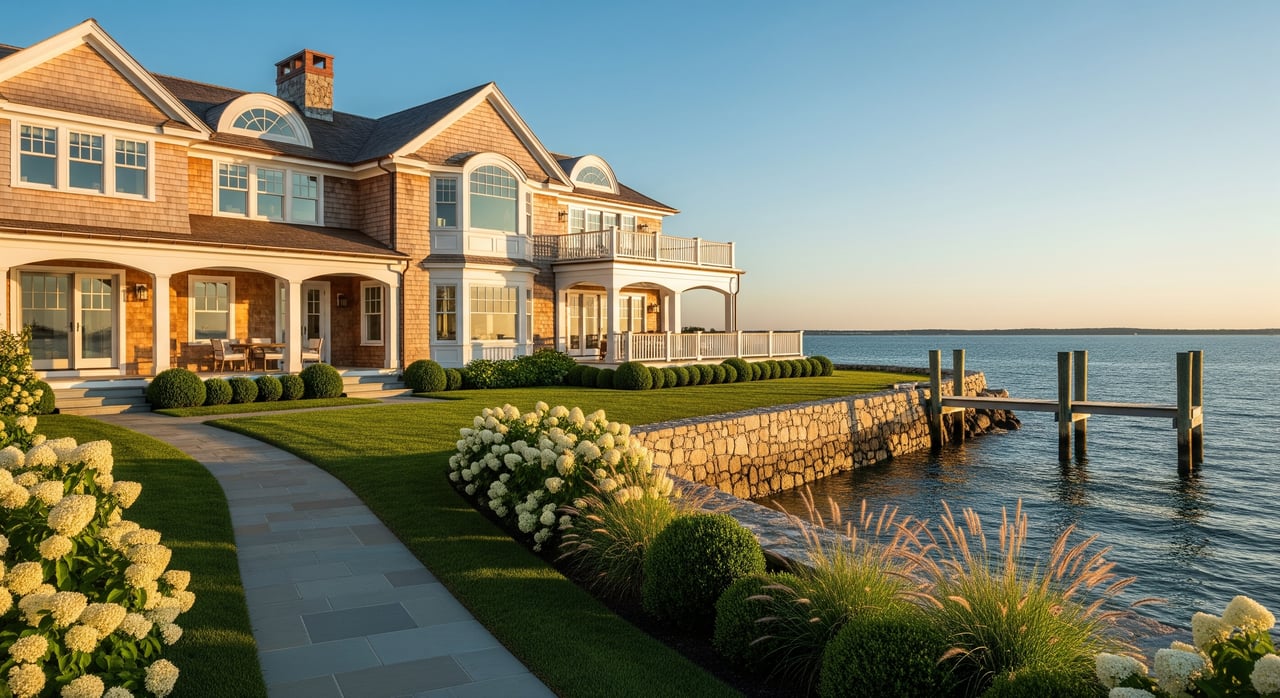
Shopping for a higher-end home in Barrington and wondering how to finance it? When purchase prices cross a certain threshold, you enter the world of jumbo mortgages, where lenders expect stronger qualifications and properties can require deeper review. You want a clear path that keeps your offer competitive and your closing on schedule. In this guide, you’ll learn how jumbo loans work in Barrington, what lenders look for, how coastal property factors into underwriting, and how to prepare so you can move with confidence. Let’s dive in.
What counts as a jumbo in Barrington
A jumbo mortgage is any loan amount above the conforming loan limit set by the Federal Housing Finance Agency. Loans above that limit are not purchased by Fannie Mae or Freddie Mac, so they are underwritten and priced by portfolio or private-label lenders. Bristol County generally follows the baseline conforming limit unless a high-cost designation applies for a given year. Since limits update annually, check the current FHFA limit for your transaction year to know when your purchase becomes a jumbo.
Many luxury and waterfront homes in Barrington exceed the conforming threshold. If your target price requires financing above the limit, plan for jumbo guidelines and timelines from the start.
Jumbo qualifications: what lenders expect
Jumbo loans carry stricter standards than typical conforming mortgages. Preparing early helps you secure better terms and avoid surprises during underwriting.
Credit score and DTI guidance
Most jumbo lenders look for higher credit scores compared to conforming loans. Minimums often range from the high 600s to the low 700s, and stronger profiles can unlock better pricing. Debt-to-income ratios are usually capped in the 43% to 50% range for qualified borrowers. Individual lenders can apply stricter overlays depending on the loan type and your financial picture.
Down payment and loan-to-value
For a primary residence, 10% to 20% down is common for well-qualified borrowers, but many lenders prefer 20% or more to offer the best terms. Second homes and investment properties typically require larger down payments, often 20% to 30% or higher. Conventional private mortgage insurance usually does not apply to true jumbo loans, so lenders manage risk with larger down payments, pricing adjustments, or additional underwriting requirements.
Cash reserves and assets
Expect to document significant post-closing reserves. Many programs require 6 to 12 months of total housing payments on hand after closing. Lenders verify liquid and certain non-liquid assets to confirm both your down payment and your reserves.
Income and documentation
Full documentation is standard. You should be ready to provide recent pay stubs, W-2s, and federal tax returns. Self-employed buyers are commonly asked for two or more years of returns. Some portfolio programs allow alternative verification, such as asset depletion or using investment income, but these options are lender-specific and require specialized underwriting.
Gifts, large deposits, and seasoning
Gift funds may be allowed for primary residences. Your lender will require a gift letter and will verify the source. Large deposits typically must be seasoned and explained with documentation, so plan ahead if you are moving significant funds.
Rates and rate locks
Jumbo rates are often slightly higher than conforming rates, though market conditions and borrower strength can narrow or even reverse that spread. In a volatile rate environment, discuss lock options, potential buydowns, and any float-down features with your lender.
Appraisal and property factors in Barrington
Higher-value and coastal properties in Barrington call for more diligence during valuation and underwriting. Build this into your timeline and contingencies.
Scarcity of comps and appraisal complexity
Luxury and waterfront homes can have few close comparable sales. Appraisers may need more time to analyze unique features, and some lenders will request a second appraisal or an appraisal review if comps are thin. Appraisal fees can be higher for complex properties, and turn times can be longer, so plan your contract dates accordingly.
Coastal construction and valuation drivers
Proximity to water, private access, and view corridors can materially impact value and volatility. Construction details such as pilings, elevated foundations, and recent renovations influence both the appraisal and underwriting review. Clear documentation of improvements helps appraisers select the right comparables.
Flood risk and insurance
Many Barrington coastal addresses fall in or near FEMA-designated flood zones. If your property is in a required zone, flood insurance will be a lending condition, and the premium must be factored into your housing costs and reserves. Lenders accept National Flood Insurance Program policies and many private flood carriers, with coverage limits and endorsements set by lender guidelines.
Title, easements, and septic considerations
Coastal parcels can include conservation easements, shoreline rights, or other restrictions that warrant careful title review. Underwriters and title companies will identify exceptions that could affect marketability. In neighborhoods with septic systems, confirm system status and records; where municipal sewer is available, documentation helps smooth appraisal and underwriting.
Smart strategies for Barrington jumbo buyers
Thoughtful planning can improve your odds in a competitive luxury market and keep your financing on track.
Choose the right lender
Work with a lender experienced in jumbo underwriting and Rhode Island coastal properties. Regional mortgage banks, credit unions, and local mortgage brokers often know the local appraisal landscape, flood carriers, and title practices. Portfolio lenders that keep loans on their books can be more flexible on documentation for complex income profiles, while some national lenders may offer strong pricing but tighter overlays.
Bridge, HELOC, and liquidity options
If you need to buy before you sell, explore bridge loans or a HELOC secured by your current home, understanding that large bridge financing can be costly and requires full eligibility review. Some buyers choose larger down payments or even cash to strengthen their offer and avoid appraisal uncertainty. Weigh liquidity needs against competitiveness and return potential.
VA, FHA, and USDA at higher price points
VA borrowers with full entitlement do not face a static loan limit, but you still need a lender that underwrites larger VA loans and meets VA and lender standards. FHA and USDA have program limits that typically do not reach higher Barrington price points. Confirm current program guidance with your lender before you tour.
Timing and contract protections
Rate volatility and appraisal timelines both affect jumbo purchases. Align your financing and appraisal contingency periods with realistic scheduling for a high-value appraisal, second-opinion needs, and insurance quotes. Discuss rate locks and potential buydowns early, and keep your documentation current through closing.
Pre-purchase jumbo checklist
- Verify the current FHFA conforming loan limit for Bristol County for your transaction year.
- Obtain a formal jumbo pre-approval from a lender experienced with coastal properties.
- Gather paperwork: recent pay stubs, W-2s, two years of tax returns if self-employed, and 60 to 90 days of bank and investment statements.
- Confirm liquid funds for your down payment and 6 to 12 months of post-closing reserves.
- Plan for a full appraisal and possible second appraisal or review, with longer turn times.
- Review FEMA flood maps for the property and obtain flood insurance estimates if applicable.
- Ask your attorney and title company to evaluate easements, shoreline or conservation restrictions, and any local coastal zone requirements.
- Coordinate appraisal, insurance, and underwriting timelines in your purchase contingencies.
The bottom line for Barrington buyers
Jumbo financing is common for Barrington’s luxury and waterfront homes. With stronger credit, documented reserves, and a lender who understands coastal underwriting, you can keep your offer strong and your closing timeline realistic. Build in time for complex appraisals and insurance, and align your financing strategy with your goals, whether you are moving up locally or purchasing a second home on the water.
Ready to map your path in Barrington’s luxury market? Connect with Michael Sweeney to discuss your financing plan, timing, and property strategy.
FAQs
What is a jumbo loan in Barrington and when does my purchase become one?
- A jumbo loan is any mortgage above the FHFA conforming loan limit, and since limits change annually, you should confirm the current year’s Bristol County limit to know when your loan crosses into jumbo territory.
How much down payment do I need for a Barrington waterfront home?
- For primary residences, many jumbo programs accept 10% to 20% down, while second homes often require 20% to 30% or more, with larger down payments improving pricing and approval odds.
What credit score and cash reserves do jumbo lenders expect?
- Lenders commonly look for credit scores in the high 600s to low 700s or higher and require 6 to 12 months of post-closing reserves, though exact requirements vary by lender and profile.
Do jumbo loans use different appraisals and can limited comps affect value?
- Lenders usually require a full appraisal, and unique or high-value homes may trigger a second appraisal or review because comparable sales are limited, which can influence the final valuation and timeline.
Will I need flood insurance in Barrington and how will it affect my payment?
- If the property is in a FEMA-designated flood zone that requires coverage, lenders will require flood insurance, and the premium must be included in your monthly housing cost and reserve calculations.
Can I use VA, FHA, or USDA for a high-priced Barrington home?
- VA loans can support higher amounts for borrowers with full entitlement if the lender allows it, while FHA and USDA limits typically do not reach Barrington’s higher price points.
What if I need to buy in Barrington before selling my current home?
- Consider a bridge loan or a HELOC to access equity, recognizing that large bridge financing carries costs and eligibility requirements, or use a larger down payment to reduce financing risk.
How should I time contingencies for a jumbo purchase?
- Allow extra time for appraisal scheduling, potential second opinions, flood insurance quotes, and underwriting, and coordinate these milestones in your purchase and financing contingencies.