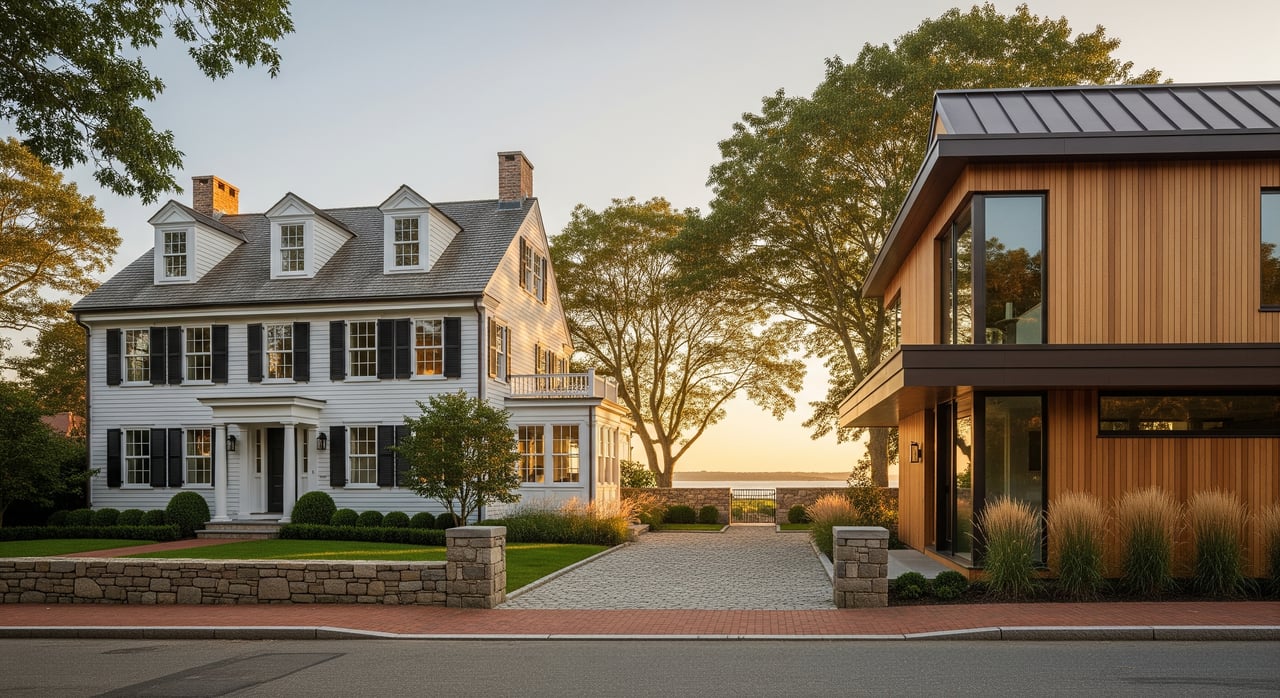
Torn between the character of a historic home and the comfort of new construction in East Greenwich? You are not alone. Many move-up buyers love the town’s classic Main Street charm but also want modern systems, efficient utilities, and easy maintenance. This guide lays out the real trade-offs so you can choose with confidence. Let’s dive in.
East Greenwich at a glance
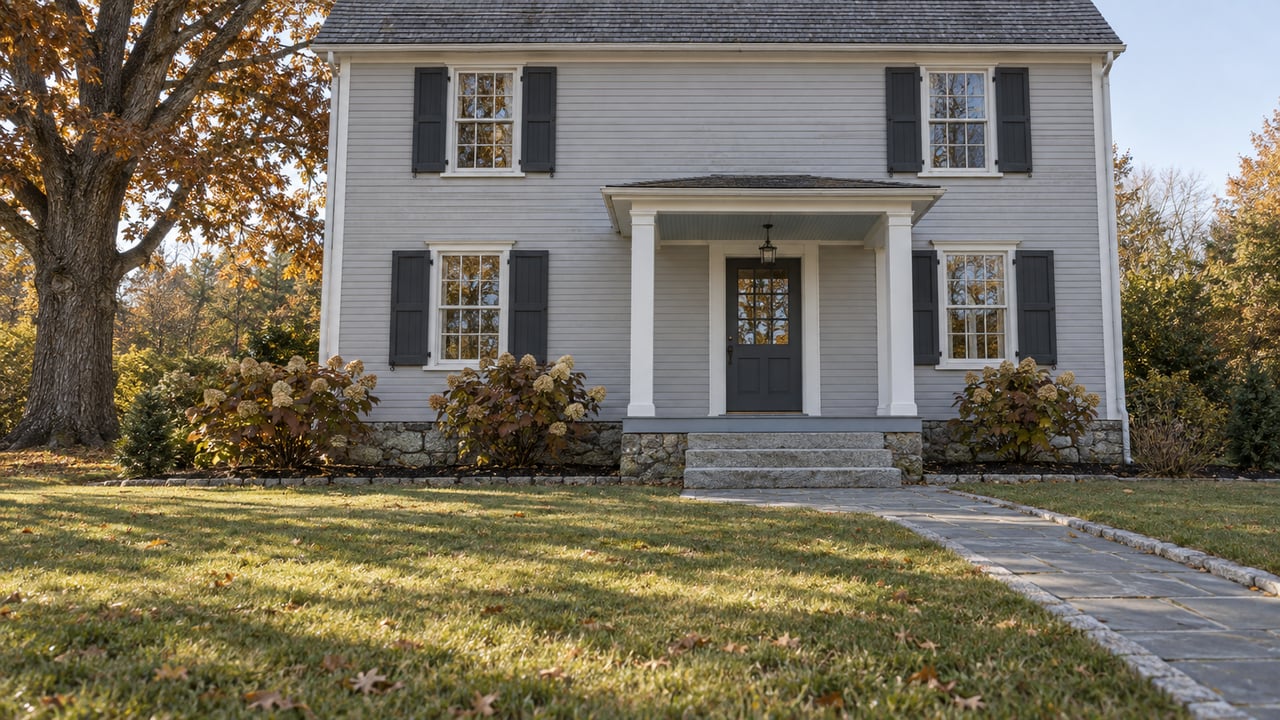
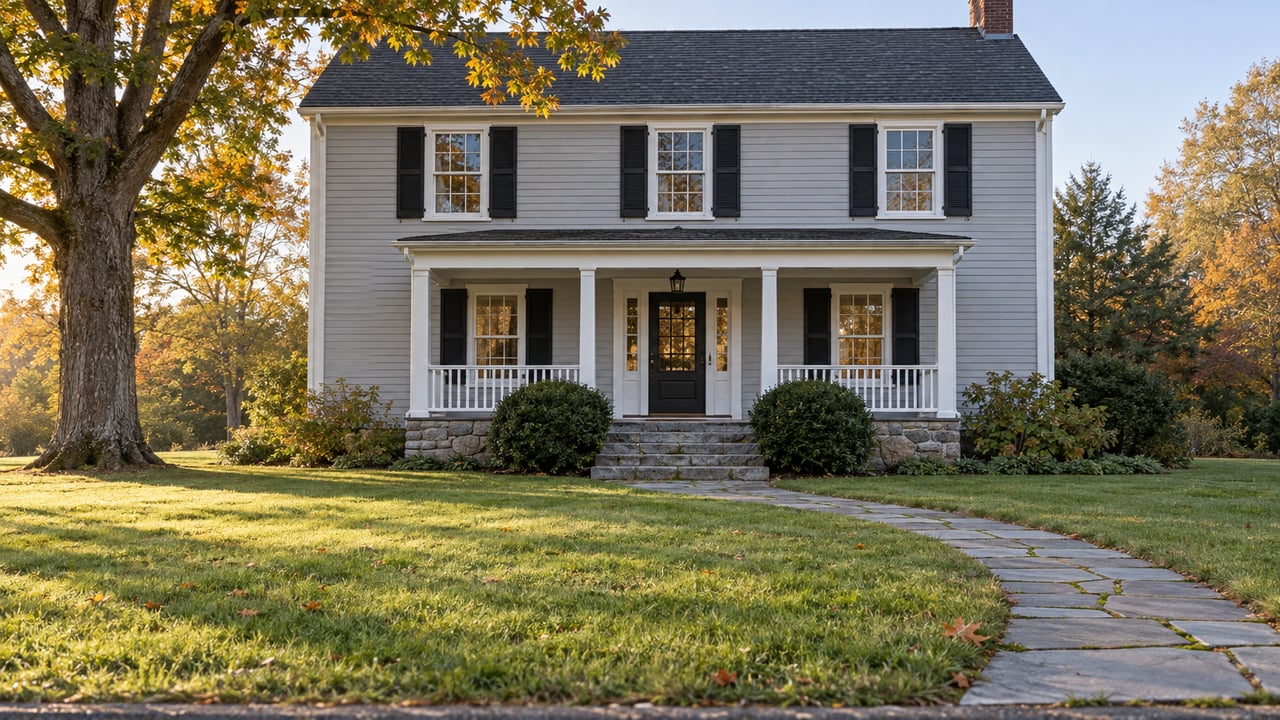
East Greenwich blends a walkable, historic center with newer subdivisions at the edges of town. You will find Colonial, Federal, and Victorian-era homes near downtown, along with post-war houses and 21st-century builds farther out. In some areas, exterior changes may be reviewed by a local historic district commission or planning board. Before you plan a renovation, verify permitting, approvals, and code requirements with the town’s Building and Planning departments.
Energy efficiency and utility costs
Historic homes: what to expect
Older houses often predate modern insulation and air sealing. Original windows, older heating systems, and leaky attics or basements can raise heating and cooling loads. That does not mean you cannot improve performance. Many owners prioritize insulation, air sealing, and right-sized mechanicals soon after purchase.
New construction: what to expect
Newer homes are typically built to current codes for insulation, air sealing, and ventilation. You are more likely to see high-efficiency equipment and tighter building envelopes. The result is usually more predictable utility costs and a comfortable interior from day one.
Coastal climate factors
East Greenwich’s coastal humidity and winter cold both matter. Salt air, wind, and freeze–thaw cycles can stress exterior materials and expose air leaks. Proper ventilation and moisture management are just as important as insulation. Pay attention to mechanical ventilation, drainage, and vapor control in any home you consider.
How to evaluate a specific home
- Confirm the age and type of heating and cooling systems.
- Check attic, wall, and basement insulation levels and air sealing.
- Identify window type and condition, including storm windows where present.
- Ask about recent energy audits, utility bills, and any completed upgrades.
Smart efficiency upgrades for older homes
Focus first on air sealing and insulation, especially attics and rim joists. Address duct sealing and weatherstripping to reduce drafts. When replacing equipment, consider right-sized, efficient systems. State or utility rebates and financing for heat pumps, insulation, and weatherization may be available.
Maintenance and budgeting
Historic homes: cycles and costs
Expect more frequent exterior upkeep, such as painting, porch and trim repair, and masonry repointing where applicable. Older mechanicals can be closer to the end of their service life. Restoration often replaces outright replacement and may require specialized contractors. The result can be higher variability in annual costs, especially if prior maintenance was deferred.
Newer homes: cycles and costs
New builds often deliver a lighter maintenance load in the early years. Many components are under warranty, and roof, siding, and systems are well within normal service lives. You will still need regular care, but major expenses are less likely right away. It is wise to track builder warranties and address punch-list items early.
Build a proactive maintenance plan
- Set a yearly budget based on the home’s age and materials.
- Inspect the roof, gutters, and drainage every season.
- Schedule service for HVAC and hot water annually, with filter changes on time.
- Log all work and receipts to support resale and future planning.
Warranties and records
For new construction, request the full warranty packet and a list of subcontractors. Confirm what is covered and for how long. For older homes, collect prior inspection reports, maintenance logs, and any restoration documentation. Good records reduce surprises and help you sequence improvements.
Materials and durability
Historic materials
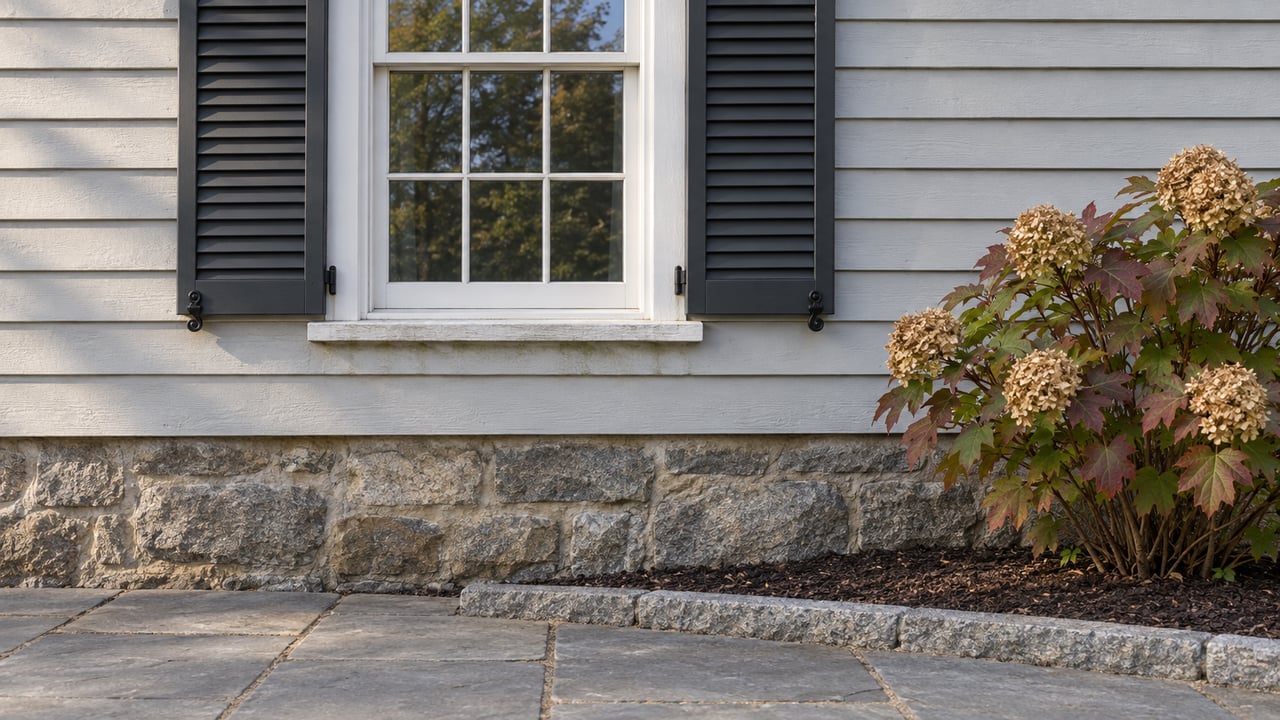
Wood clapboard, cedar shingles, brick or stone, and slate roofs are common in older homes. These materials can be durable and beautiful when maintained. They often need periodic repainting, repointing, or specialized repair by skilled trades. Preservation work protects both performance and architectural integrity.
Modern materials
Fiber cement, engineered wood, composite trim, and architectural asphalt shingles aim to reduce routine upkeep. Many products can be detailed to echo historic profiles. In coastal settings, these materials can hold up well with less frequent intervention. Ask for manufacturer maintenance guidance to keep warranties intact.
Coastal wear and tear
Salt air and storms can shorten paint cycles and expose flashing weaknesses. Freeze–thaw cycles stress masonry and wood joints. Roof selection and proper flashing matter in any age home. Regular inspections after major weather events help you catch issues early.
Neighborhood feel and lifestyle
Historic neighborhoods and walkability
Homes near the town center often offer sidewalks, street trees, and close proximity to Main Street shops, restaurants, schools, and parks. Lots can be smaller with mature landscaping and a strong sense of place. Interiors may feature traditional floor plans and ceiling heights that reflect their era.
Newer subdivisions and space
Newer neighborhoods tend to offer larger lots, garages, cul-de-sacs, and floor plans designed for modern living. You are more likely to see open layouts, generous closets, and en suite bedrooms. These areas may be less walkable to the historic center, depending on location.
Zoning and future changes
Zoning rules shape additions, setbacks, lot coverage, and accessory dwelling unit options. Historic districts can include design review for certain exterior changes. Before you plan to expand or reconfigure, confirm rules with the town. A quick check now can prevent costly redesigns later.
Inspection priorities before you buy
- Structure and envelope: roof age, framing, signs of settling, siding integrity, and flashing details.
- Mechanical systems: age and service history for heating, cooling, and hot water; fuel type and duct condition.
- Electrical and plumbing: panel capacity, bonding and grounding, visible updates, and material types.
- Moisture and drainage: basement or crawlspace conditions, grading, gutters, and signs of water intrusion.
- Period concerns: possible lead paint, knob-and-tube wiring, and asbestos-containing materials in older homes.
- Historic elements: window integrity, porches, decorative trim, and prior alterations that affect historic value.
Upgrade roadmap after closing
Immediate priorities
Address safety and water issues first. Stabilize the roof, correct active leaks, and service heating systems before winter. Small fixes, like downspout extensions and sump maintenance, can prevent larger problems.
6 to 24 months
Plan weatherization, electrical upgrades, and HVAC replacements as needed. Improve insulation and air sealing in logical stages for comfort and lower operating costs. Use shoulder seasons for exterior work when weather is favorable.
Long term
Schedule larger exterior restorations, like siding, porch, or masonry work, when budgets allow. Tackle kitchen and bath projects when you can plan for lead times and temporary disruption. In historic homes, preserve original features where possible while aligning spaces to your lifestyle.
Financing and incentives
Explore state and utility programs that support energy efficiency and weatherization. Historic preservation grants or tax incentives may exist at the town or state level. Availability and eligibility change, so verify current options before you bid or start work. Account for paperwork and approval time in your project plan.
Working with specialists
Historic homes benefit from contractors experienced in preservation methods, wood repair, and traditional materials. Newer homes may call for builders familiar with modern products and warranty requirements. In all cases, ask for references and examples of similar projects. Clear scopes and written timelines help keep projects on track.
Making the call: which is right for you?
- Character vs predictability: Historic homes offer architectural detail and established streetscapes. New construction offers modern systems and lower immediate maintenance.
- Upfront vs operating cost: Balance purchase price, likely capital improvements, and long-term utility spend.
- Time and lifestyle: Older homes can be more hands-on. Newer homes can be more turnkey.
- Resale positioning: Historic neighborhoods attract buyers who value walkability and period architecture. Modern layouts can appeal to buyers prioritizing space and convenience.
- Rules and approvals: Historic districts may limit exterior changes. New construction must meet current codes and zoning.
If you want help weighing specific addresses, comparing inspection findings, or modeling a phased upgrade plan, we can guide you through the options and the numbers that matter for your lifestyle.
Ready to refine your search in East Greenwich? Connect with Michael Sweeney for a private, data-informed consultation tailored to your goals.
FAQs
How much should I budget for historic home maintenance in East Greenwich?
- It varies by size, condition, and materials, but older homes often require more frequent exterior care and earlier system replacements; build a line-item budget and set aside a contingency.
Are there restrictions on exterior changes in historic areas of East Greenwich?
- Many New England towns use local historic districts with design review; in East Greenwich, confirm boundaries and approval steps with the town before planning exterior work.
Which energy upgrades give the best payback in older East Greenwich homes?
- Start with air sealing and insulation, then right-size heating and cooling; consider duct sealing and weatherstripping, and check for state or utility incentives.
What parts of a historic home typically need attention first?
- Roofs, flashing, wood siding and trim, windows and porches, and moisture management at the foundation often top the list, followed by older electrical and plumbing systems.
Can I modernize a historic home without losing character or violating rules?
- Yes, with thoughtful design; many interior updates are straightforward, while exterior changes in designated districts may require review and approval.
Do insurance and property taxes differ between older and newer homes in East Greenwich?
- They depend on property specifics and carrier or assessor evaluations; consult your insurer and the town for accurate estimates during due diligence.
How do neighborhoods differ between historic and newer areas in East Greenwich?
- Historic areas near Main Street offer higher walkability to shops, restaurants, schools, and parks, while newer subdivisions often provide larger lots, garages, and contemporary layouts.